Landscape vs Portrait Mode for Live Dealer Games
Turning your phone sideways seems like a trivial decision. For live dealer blackjack, it restructures the entire information layout and changes what you can see before you have to act.
The deal
The interesting thing about orientation mode for live dealer games is that it is not purely an aesthetic question. It has functional consequences. Let me work through them.
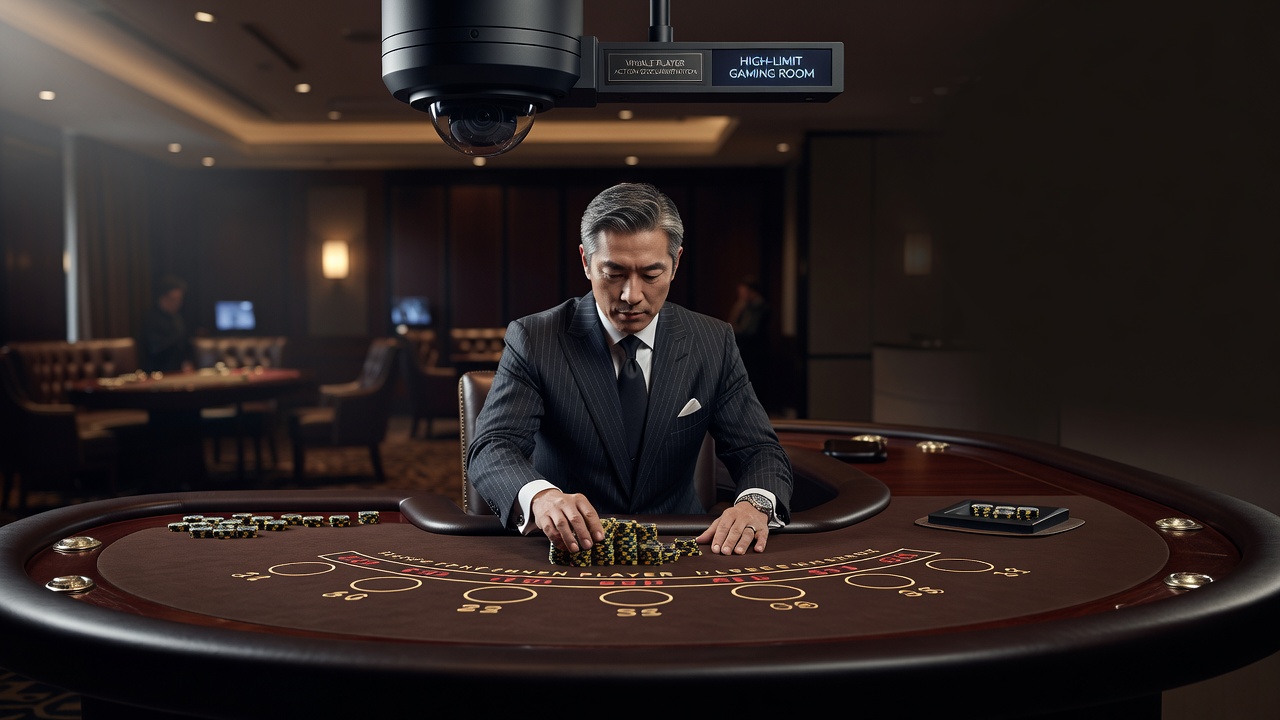
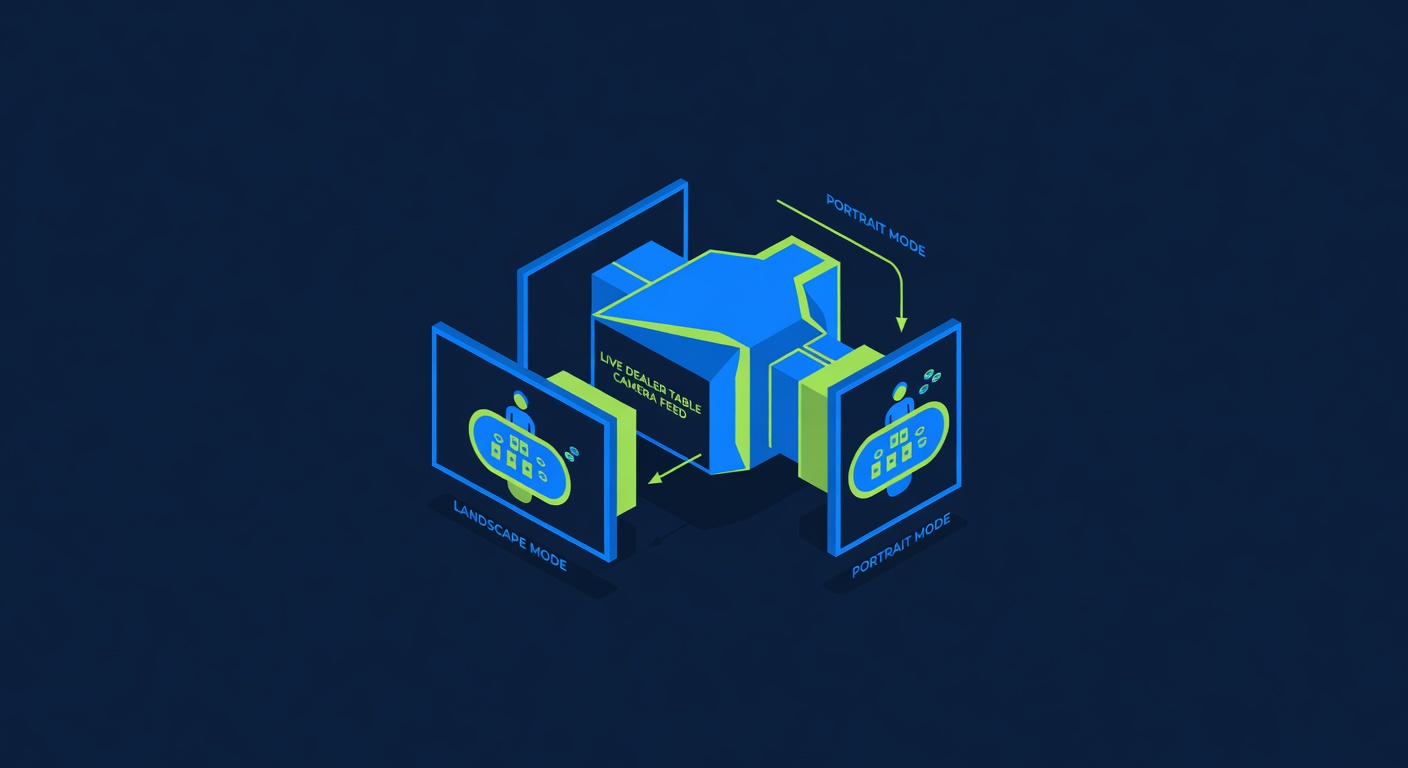
First, the physical constraint. Live dealer games stream real video of a real dealer at a real table. That video has an aspect ratio, typically 16:9, matching the camera orientation. Portrait mode on a phone means you are displaying a 16:9 source in a 9:16 container. The interface has to make a choice: letterbox the video with black bars, crop it significantly, or break the layout.
Most software providers, Evolution Gaming being the largest and most studied example, solve this by creating a separate portrait-optimized layout rather than just rotating the landscape version. In their portrait blackjack interface, the dealer video shrinks to roughly the top 40% of the screen and the betting interface occupies the bottom 60%. This is functional. You can see the dealer's hands, you can place bets, you can hit or stand. It works.
Round 1: What Landscape Actually Gives You
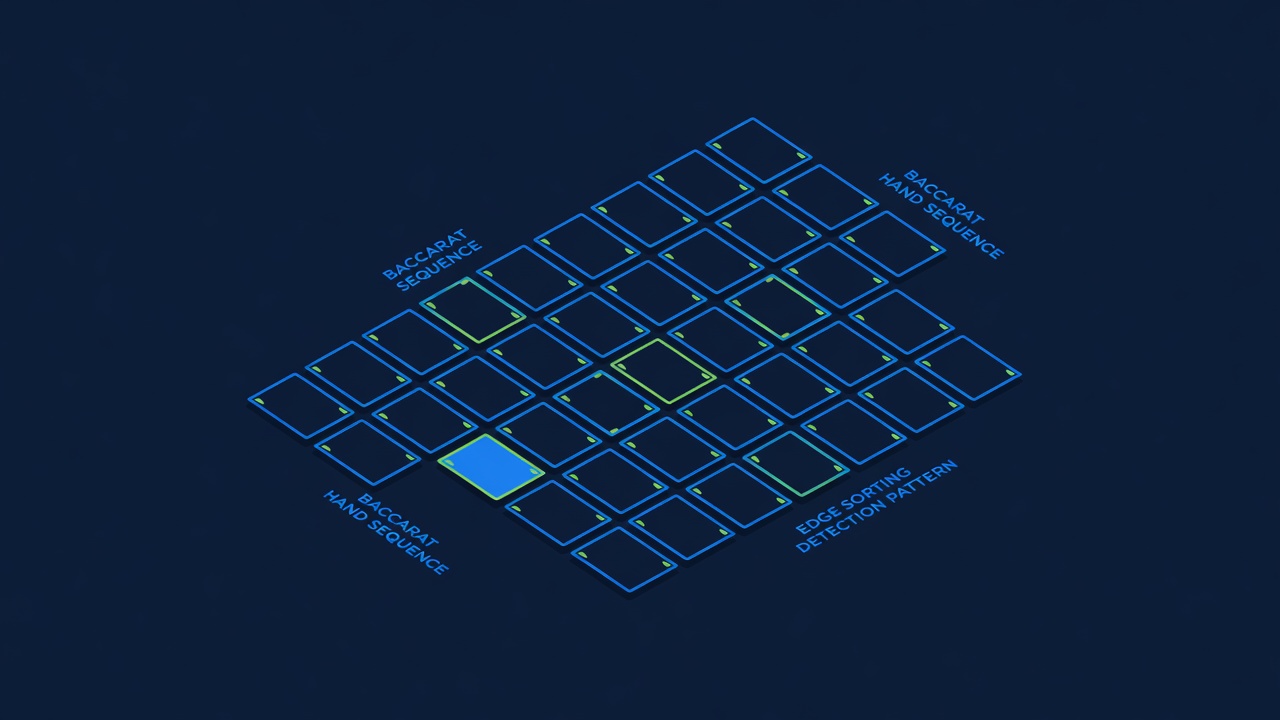
In landscape mode on a tablet or a larger phone, the video occupies a much larger portion of the display. The interesting part is what this reveals: card values are readable at a glance without leaning forward. The side bet positions on the felt are visible. In baccarat, the roadmaps, those grids of historical outcomes that serious baccarat players study obsessively, display at a size where the patterns are actually legible rather than theoretical.
For roulette, the wheel and the betting grid can coexist on screen simultaneously in landscape. In portrait, the typical solution is to show one or the other with a toggle, which adds a step to every single betting action.
The speed difference is small per hand. Across a session it accumulates. A player who bets inside numbers on roulette and needs to switch views to place each bet is adding friction that portrait mode creates and landscape mode does not.
Round 2: The Mobile Context Where Portrait Actually Wins
Portrait mode is genuinely better in specific situations. Playing one-handed while holding a phone vertically is ergonomically natural. Portrait is how phones rest in pockets and how most people carry them. The switch to landscape requires two hands or a surface.
For casual play, short sessions, or games where the betting interface is simple (live blackjack with no side bets, standard live baccarat without road-reading), portrait is fine. The information you need is present. The experience functions.
The portrait-versus-landscape question becomes material in these specific scenarios:
- Multi-seat blackjack where you want to see other players' cards alongside your own.
- Lightning Roulette or similar enhanced-RTP variants where the multiplier numbers displayed on specific positions are relevant to betting decisions.
- Live poker variants like Casino Hold'em where the pot odds require you to track both your cards and the community cards simultaneously.
- Any game with a complex bet history or statistics panel that you actually use.
In those cases, landscape is doing measurable work. In a simple game where you are placing one bet and watching the outcome, the difference is marginal.
Round 3: A Note on Tablet vs Phone
This entire analysis shifts on a tablet. A 10-inch tablet in portrait mode has more horizontal pixels than a phone in landscape. The effective resolution advantage of landscape mode on a phone largely disappears on a tablet in either orientation. If you play regularly on an iPad or an Android tablet of similar size, orientation matters much less than it does on a 6-inch phone.
The hierarchy is roughly: tablet in landscape or portrait (roughly equivalent) beats phone in landscape, which beats phone in portrait for information-dense games. For straightforward games, phone portrait is entirely adequate.
The practical recommendation is simple: try your preferred game in both orientations on the device you actually use, because software implementations vary significantly between providers, and the portrait layout at one casino may be considerably better than the portrait layout at another.