Why Casinos Watch Whale Baccarat Players So Closely
A whale walks into a high-limit room with 100,000 dollars. The eye-in-the-sky is recording every card, every bet, every micro-expression. This is security theater and actual security combined.
The deal
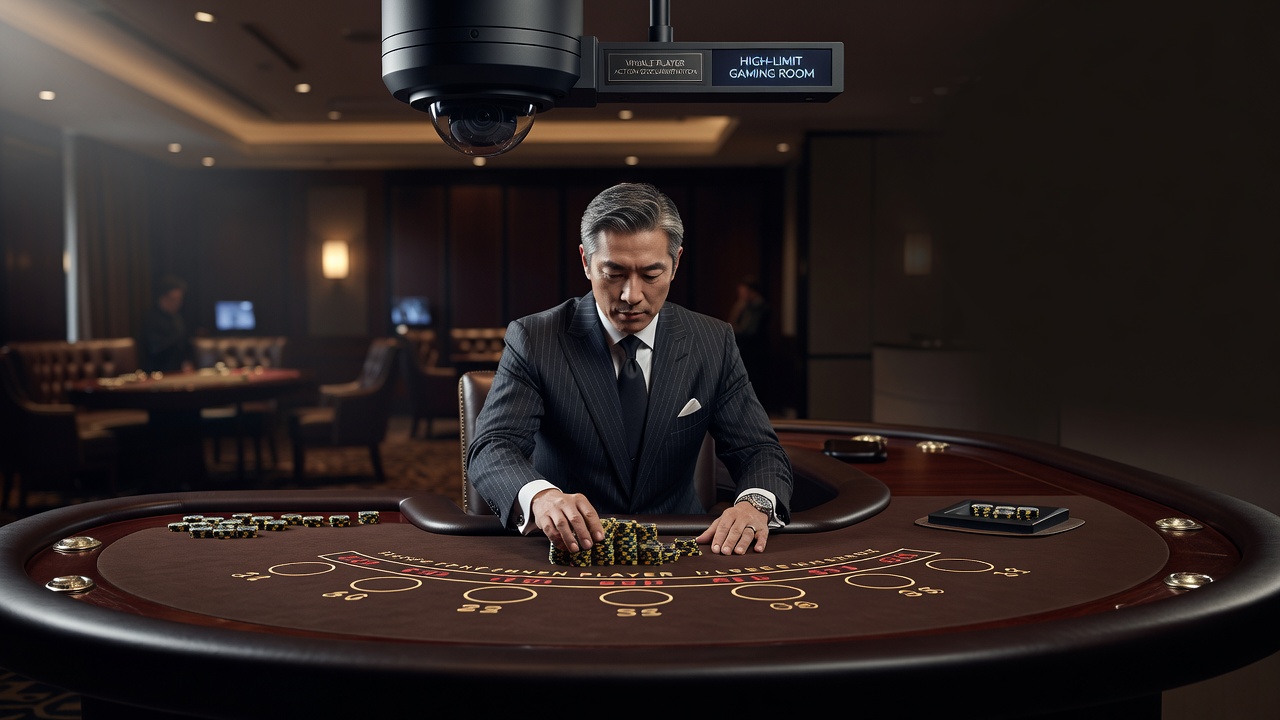
You walk into the high-limit room. The lights are softer than the main floor. The carpet is better. The dealers are faster. And there are cameras everywhere, but they are invisible if you are not looking.
A whale is a player betting 5,000 to 25,000 dollars per hand. Over a four-hour session, that is potential for 2 to 5 million dollars in action. If the whale wins, the casino loses millions. If the whale loses, the casino makes millions.
The whale is the reason the room exists. And the whale is the reason the surveillance is absolute.
Round 1: What The Casino Sees
Every angle. Every card. Every dealer expression. Every pit boss reaction. The surveillance system can zoom into the dealer's hands and count the cards in the shoe. It can see the bead on a roulette wheel.
This is not theoretical. I watched a floor manager pull up footage where he could identify a specific card from a baccarat hand twelve hours earlier. The clarity is that good.
Why? Because a whale betting high can spot patterns. A whale can see if a deck is loaded (weighted to favor one outcome). A whale can see if a dealer is handling cards in a specific way. A whale can detect tells.
The casino needs to know whether the whale is seeing something real or imagining it. The surveillance is the arbiter.
Round 2: The Whale's Power
A whale who believes they are being cheated can walk out. Permanently. They can tell other whales. They can damage the casino's reputation among the high-roller community.
One whale telling another whale "they cheated me" is worse than losing a million dollars to that whale. It is a reputation hit that affects future whale recruitment.
So the casino has incentive to provide transparency. The surveillance is also a comfort: if the whale wins, they know they won fairly. If they lose, they know they lost fairly.
Round 3: The Eye In The Sky
The surveillance center at a major casino is obsessive. They have a dedicated team for high-limit games. The team rotates. They monitor continuously. They have protocols for what to flag.
Anything unusual gets flagged. A dealer's hand moving in an unexpected way. A pit boss whispering to a player. A card that appears out of sequence.
The flags are reviewed. Most are nothing. Some are investigable. A few become incidents.
Round 4: The Whale's Perspective
A sophisticated whale understands this. They know they are being watched. They accept it. In fact, they may prefer it. If something goes wrong, they have evidence.
A whale who is cheating (colluding with a dealer, for example) knows the surveillance is a threat. They know the casino can detect their behavior if they are not careful.
This creates a dynamic: the casino wants to catch cheating. The whale wants to stay undetected if they are cheating, or wants to feel protected if they are playing straight.
Round 5: The Reality
Cheating at high-limit baccarat is rare because the surveillance is too good. The potential payout does not justify the risk. A dealer who gets caught cheating loses their license, faces prosecution, and becomes blacklisted.
So the surveillance is both a deterrent and a comfort. It prevents cheating. It assures the whale that cheating is not happening.
Round 6: The Philosophy
From the casino's perspective, watching the whale is not about control. It is about maintaining the ecological relationship. The whale provides revenue. The casino provides a fair game and excellent service. The surveillance is the verification that the deal is legitimate.
The whale comes back because they trust the system. The system is trustworthy because the surveillance makes cheating nearly impossible.
This is the subtle economics of high-limit gambling. The casino is not trying to cheat. They are trying to prove they are not cheating, and the surveillance is the proof.