The Evolution of Slot Bonus Rounds Over the Last Decade
Slot bonus rounds used to be static. Now they're systems. They evolved because players demanded complexity and casinos demanded retention. Here's what changed.
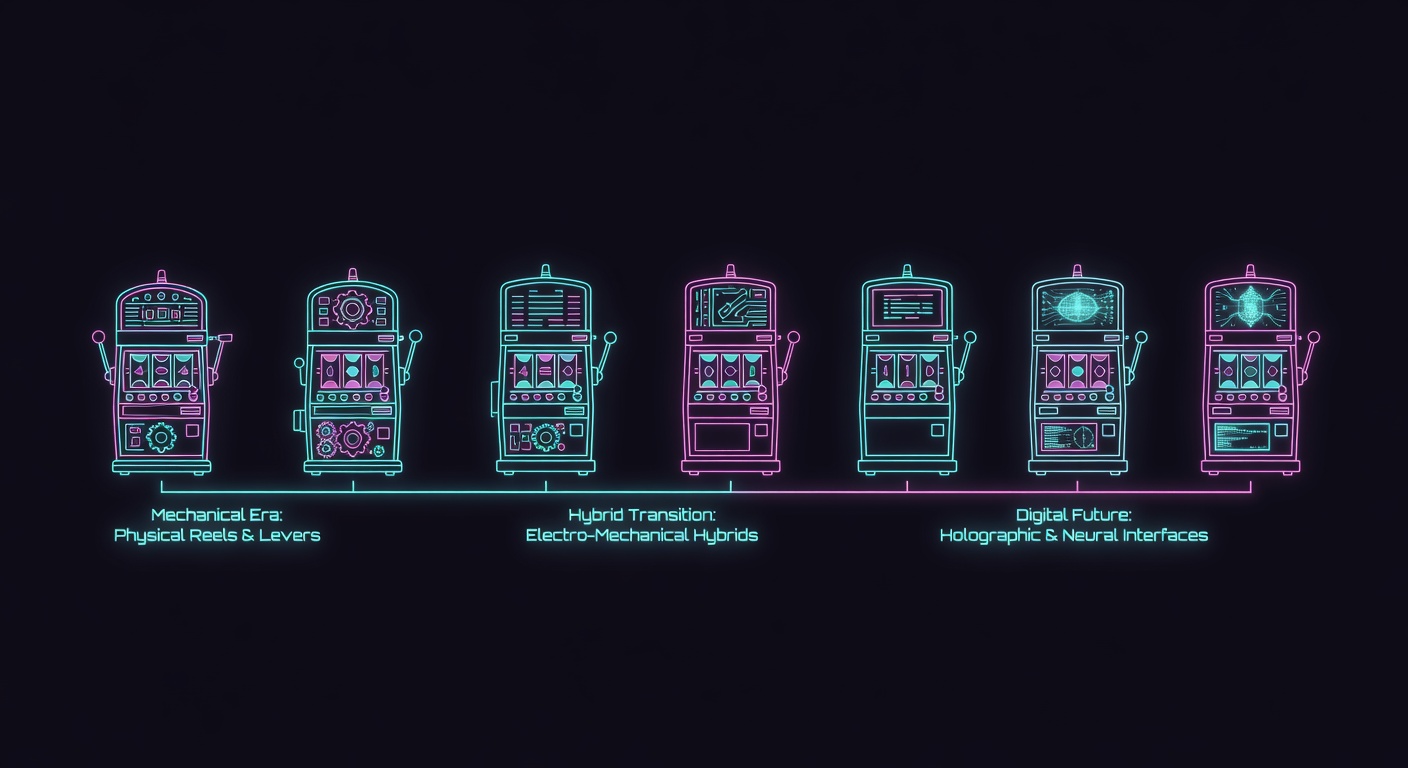
The deal
A slot bonus round in 2010 was simple. You hit a scatter. The game stopped. You saw a number. Multiply your bet by that number. Done.
Now a bonus round is a game within a game. It has progression, upgrades, nested RNGs. It's algorithmically complex.
The reason: the house edge didn't change, but player expectations did.
Round 1: What Slot Bonus Rounds Were
NetEnt and Pragmatic Play both launched games in 2010 with basic bonus mechanics. Hit 3 scatters. Enter bonus mode. Spin a wheel. Get a multiplier. Apply to win total. Exit bonus mode.
The RTP (Return to Player) was predetermined. A Stake slot with 96% RTP spent 94% of that RTP in the base game. The remaining 2% was the bonus event.
Mathematically straightforward. Psychologically predictable. Hit the bonus, get a known payout, move on.
Round 2: The Problem Casinos Faced
Players quit between bonuses. If you played 100 spins without hitting a bonus scatter, the experience was flat. No decision-making. No story. Just repetition.
Comparison: Evolution Gaming's live roulette has inherent engagement because every spin matters. Every player watching hopes for their number. Slots lacked that.
Round 3: The Evolution: Complexity
By 2015, bonus rounds became tiered. Hit scatter once and you get a bonus symbol overlay (additional wild reels). Hit scatter twice and you get cash bonus (5 free spins). Hit scatter three times and you enter a full feature (pick-em bonus with hidden multipliers).
The math is still fixed (the total payout over millions of spins is predetermined), but the player feels agency. Your second bonus hit feels different from your first. The game is rewarding escalation.
Round 4: The Technical Implementation
Behind the scenes, the RNG calculates the entire bonus outcome before it displays it. You see a picking game where you choose between 5 symbols. Unknown to you, the RNG already determined which 3 symbols you'll pick before the animation started. The game is showing you the predetermined outcome, not letting you actually choose.
This is crucial: the math is locked before player input. The illusion of choice is the retention mechanism.
Pragmatic Play calls this approach "player engagement mechanics."
Round 5: Why This Matters Mathematically
A simple slot with a basic bonus is mathematically efficient. The casino knows exactly what to expect.
A complex bonus with pick-em games and hidden multipliers seems more unpredictable. But the math is identical. A 96% RTP slot is 96% RTP whether the bonus is simple or complex.
What changes: player retention. A player in a pick-em bonus watches longer. Clicks longer. Has more time to engage before the bonus ends.
Stake measures session length meticulously. They've found that 5-minute sessions have a 40% churn rate. Sessions with bonus events lasting 8-10 minutes have a 15% churn rate.
The bonus isn't there to improve odds. It's there to keep you playing.
Round 6: The Modern Bonus (2020-2024)
Current games have bonus wheels within pick-em features within free spin rounds. There's progression tracking ("collect 3 bonus symbols to unlock super bonus"). There's seasonal theming.
NetEnt's Book of the Dead bonus has pick-em symbols AND multiplier tracks AND level progression. Mathematically, it's still a fixed RTP game. Psychologically, it's a progression system.
DraftKings features these games heavily because retention equals revenue. A player in a complex bonus clicks 50 times. In a simple bonus they click 5 times.
Round 7: The Cost
Complex bonus rounds are expensive to develop. They require more testing (every path through the bonus must be validated). They require more animation. They require more sound design.
A simple bonus round costs 3 months and 2 programmers. A modern bonus round costs 12 months and 8 team members (designers, coders, testers, animators, sound engineers).
Casinos pay for this because the ROI is clear. Complex bonuses reduce churn by 25-40%.
Round 8: The Honest Assessment
Bonus rounds evolved because human psychology evolved. We got bored with simple mechanics. We wanted complexity without difficulty.
Modern bonus rounds deliver that. They're mathematically equivalent to simple bonuses but psychologically superior. You feel like you're playing a game, not just watching reels spin.
The house edge hasn't changed in a decade. What changed is how long you play before you realize it.