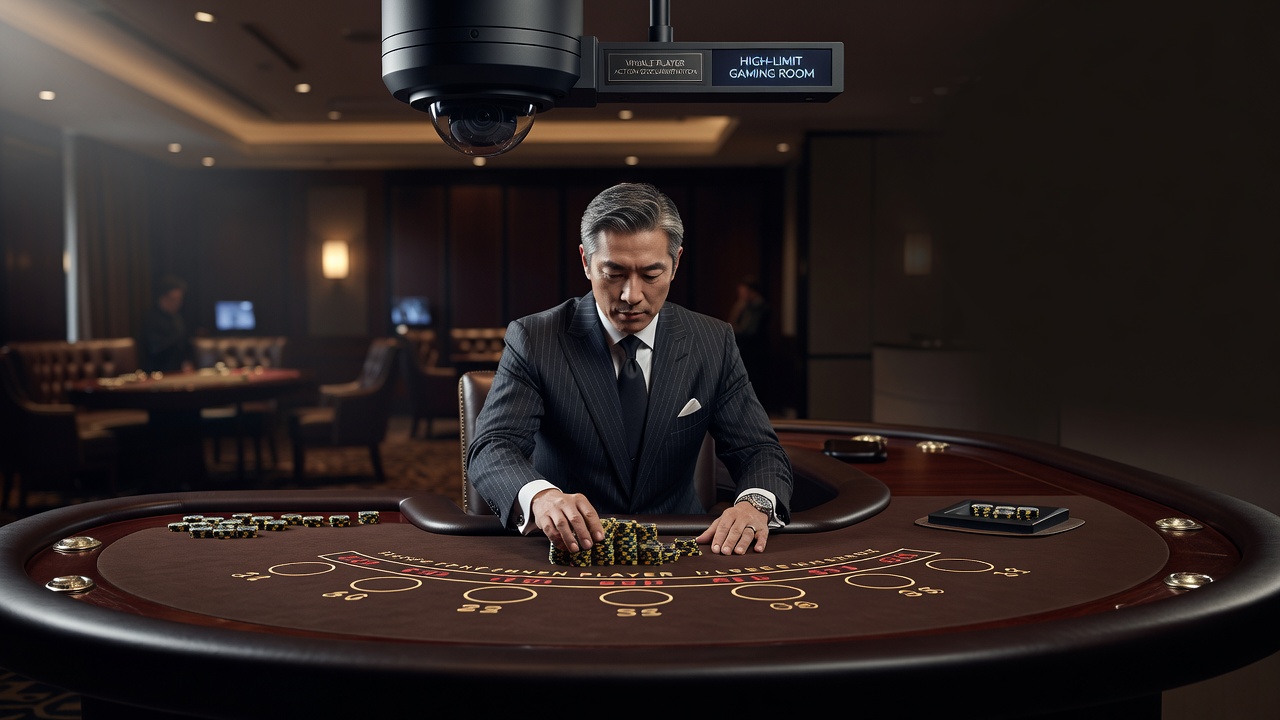
Edge Sorting Explained: The Baccarat Technique That Made Headlines
Phil Ivey walked into a Macau baccarat room and won $10 million using a technique that was not technically cheating but was technically a massive lawsuit waiting to happen.

The deal
The baccarat table at a high-limit junket room is theater. The dealer is an actor reading scripts written by ritual. Squeeze the card. Present it to the customer. Watch their face for the reaction that tells you how much they have won or lost without them saying a word.
I have worked the high-limit tables for twenty years. In that time, I watched Phil Ivey walk in with a specific request: he wanted to change dealers frequently. He wanted to play eight-deck shoes with a specific card back design. He wanted the deck handled a certain way.
These requests seemed like superstition. High-limit players have superstitions. You accommodate them. You do not think about them.
I did not know he was using edge sorting.
Round 1: What Edge Sorting Is
Playing cards have tiny imperfections. On some cards, one edge might be imperceptibly wider than the other. The difference is maybe a millimeter. Human eyes cannot consciously detect it. But optical scanners can. Card shufflers in factories can sort cards by these imperfections.
If you can identify which cards have slightly wider edges, and if you can orient those cards face-down in a particular direction, you can know something about the card's identity based on its orientation. Not the exact card, but categories: low vs high, picture card vs number, something useful.
Baccarat is a two-decision game: player or banker, that is it. If you can identify three or four cards as high cards and ensure they face the banker hand, you have tilted the odds. Over thousands of hands, this accumulates.
Round 2: How Ivey Did It
Ivey worked with a consultant who taught him to recognize the edge-sorted cards visually. Most people would think this impossible. But after enough training, your eye learns to see the imperceptible. You can spot the sorted card.
Then he requested a specific dealer (Cheng Yin Sun) who would naturally orient cards the way Ivey wanted. He requested eight-deck shoes made by a particular manufacturer because that manufacturer's imperfections were pronounced enough to sort.
Over several days and multiple sessions, he won $10 million.
The casino did not notice anything was wrong until much later.
Round 3: Why It Is (Probably) Not Cheating
This is what made the lawsuit so complicated. Ivey did not manipulate any cards. He did not damage them. He did not switch them. He did not mark them. He used information that was naturally present in the cards and used that information to make better decisions.
Is that cheating? The casino argues yes. Ivey's legal team argued no: you provided the cards, you provided the environment, he just paid attention better than your dealer did.
Law enforcement and gambling regulators tend toward the casino's interpretation. If a player can win that much money using a technique the casino did not anticipate, the casino did not just lose money, they lost face.
Round 4: The Lawsuit
Baccarat Developments Inc. (the casino's operator) sued Ivey for return of the $10 million. The case went through multiple jurisdictions and appeals. The courts ultimately sided with the casino, ruling that using knowledge of card imperfections to gain an advantage constitutes fraud.
The decision was controversial. It set a precedent: casinos can sue players for winning if the casino later decides the player's technique was unfair.
Round 5: What Changed Afterward
Card manufacturers began using randomized edge variations. No two cards have the same edge imperfection. If there is no pattern, edge sorting becomes impossible.
The baccarat world learned that the edges of cards matter. Now they check them. Now they rotate shoes. Now they pay attention in ways they never did before.
The high-limit room feels different now. The superstitions matter more. But the magic of perfect information through card imperfection, that is gone.