Squeeze Baccarat: Why the Slow Reveal Is So Popular
Squeeze baccarat takes a game that resolves in about eight seconds and stretches it to something closer to a minute. The house edge doesn't change. The cards don't change. The ritual does all the work.
The deal
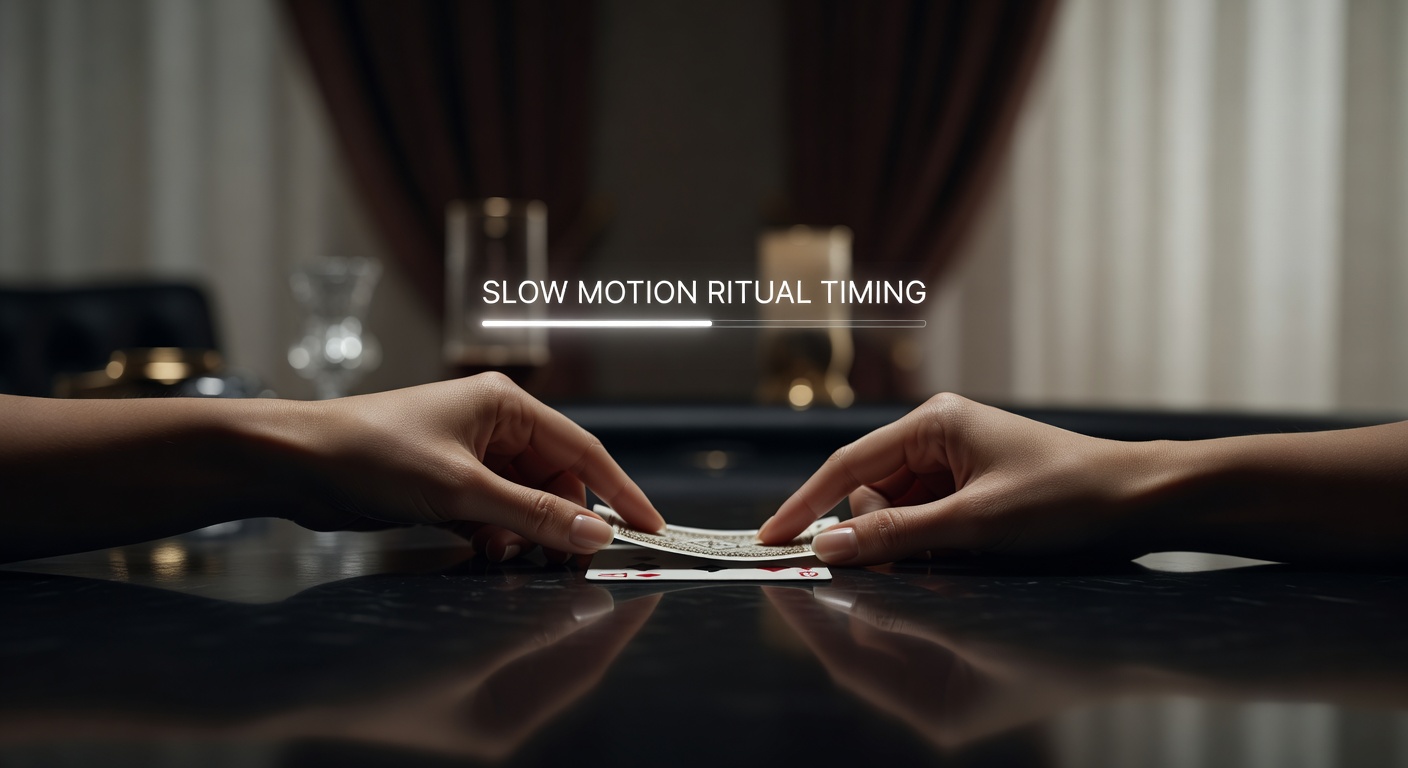
Squeeze baccarat is, at its operating level, regular baccarat with a delay inserted into the card reveal. The dealer receives the cards face down, then lifts one corner, then bends the card slowly, exposing rank by incremental degrees. Everyone at the table watches. Some people hold their breath. Then the card flips.
Nothing about the mathematics changes. The house edge on a banker bet remains around 1.06 percent before commission. The probability of a natural eight or nine is fixed. The RNG, in online variants, has already decided the outcome before the first pixel of card corner is revealed. The slow reveal is purely theatrical.
And yet. The tables fill.
Round 1: Why the Ritual Works
Baccarat has always been a ceremony as much as a game. The traditional chemin de fer version at European casinos required the designated player to handle the shoe personally, to decide when to draw, to physically turn the cards. The ritual conveyed agency. Whether the agency was real or mostly ceremonial is a question the regular players never seemed to ask.
Squeeze baccarat exports that ceremony to a format that requires no player decisions at all. Punto banco, the version most casinos now run, has no player choices after the bet is placed. The draw rules are fixed and automatic. The squeeze gives back the feeling of participation in a process that, formally, requires none.
This is not irrational behavior on the part of players. Anticipation has a measurable physiological component. The slow reveal extends the period between bet placement and outcome resolution, which extends the period of uncertain expectation, which produces a distinct subjective experience. Some people genuinely enjoy that experience. Others find it maddening. The ones who find it maddening are not the target audience.
Round 2: The Live Dealer Variant
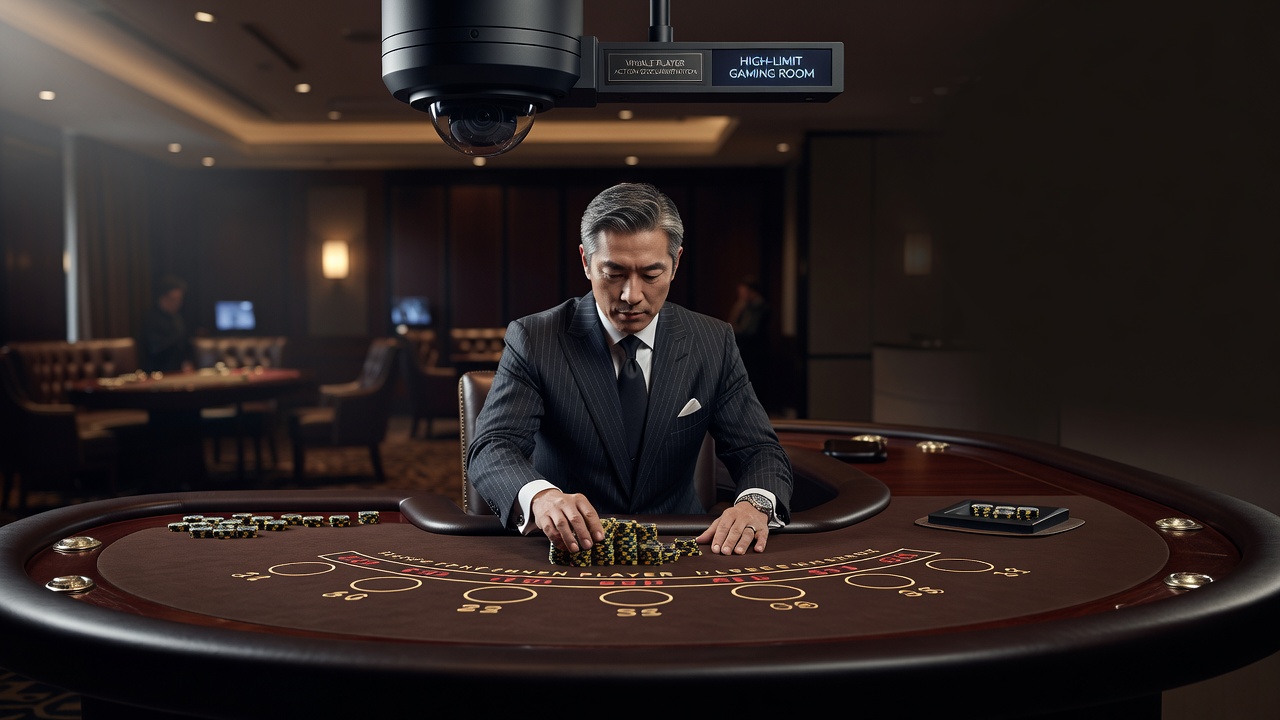
Online live dealer baccarat tables from operators like Evolution Gaming (which holds licenses from the MGA, UKGC, and several other bodies) have made squeeze baccarat available to players at stakes that would never reach a VIP room.
Evolution's Lightning Baccarat and its Squeeze variant run with multiple camera angles on the cards. A dedicated presenter handles the ritual, narrates lightly, and the slow reveal happens in full HD with enough production value to suggest a private salon even when the player is sitting in their kitchen at eleven at night.
Stake sizes start low. The demographic is broader than traditional baccarat's whale-heavy history would suggest.
The squeeze is available to anyone with twenty dollars and a phone. The VIP room ambiance is included at no extra charge.
Round 3: The Efficiency Objection
Some observers find the whole practice slightly absurd. A baccarat hand can be dealt and resolved in about eight seconds under normal conditions. Squeeze tables run two to four minutes per hand. The effective number of decisions per hour drops from roughly sixty to somewhere between fifteen and twenty-five.
For the casino, this is fine. The average bet size on squeeze tables tends to run higher, which offsets the reduced hand rate. For the mathematically inclined player focused on minimizing house exposure per hour, the slow format costs nothing per hand but costs meaningful time. Your expected loss per hour is probably lower at a squeeze table than at a speed table, simply because fewer hands are being dealt.
I mention this not as a recommendation but as a calculation that seems useful to have made explicit.
The actual reason squeeze baccarat draws crowds is simpler than any of this analysis. It is fun to watch a card bend. The game designers understood this. The players understand this. The slow reveal is not a trick being played on anyone. It is a feature that people are choosing, repeatedly, with full awareness of what it is.
That seems like enough.