Why Table Minimums Vary and How to Find the Right Stake
A $10 minimum blackjack table and a $100 minimum blackjack table can sit forty feet apart on the same casino floor and serve entirely different functions. The difference is not about exclusivity. It is about traffic engineering.
The deal
Roger Thomas, the designer who reshaped Wynn Las Vegas for Steve Wynn in the early 2000s, understood one principle above all others: the casino floor is a circulation problem. Every table, every cluster of machines, every bar placement either pulls traffic deeper into the room or deflects it back toward the exit. Table minimums are among the most direct instruments operators have for managing that flow.
Round 1: The Architecture of a Minimum
A $5 minimum table in a downtown Las Vegas property like the Fremont serves as an anchor. It draws in the hesitant visitor, the couple who walked in from the street with no firm gambling budget, the tourist who wants to say they played blackjack in Las Vegas without risking serious money. The table is loud, social, close to foot traffic lanes. It does not maximize per-seat revenue. It maximizes dwell time and spend on secondary revenue: drinks, food, the gradual escalation to a $25 seat once the visitor feels comfortable.
A $100 minimum table at a Strip property like Bellagio or Wynn does the opposite. It sits in a quieter zone, often recessed, often carpeted differently. The ceiling height changes in some properties. Paul Steelman, who has designed casino floors across Macau, Singapore, and Las Vegas, has written about how lower ambient light and slightly reduced ceiling height in premium table zones create a psychological enclosure that encourages sustained play. The minimum functions as a velvet rope, but the real purpose is reducing transaction volume while maintaining revenue per hour.
At 40 to 60 hands per hour of blackjack with basic strategy, a $100 minimum seat generates roughly the same revenue for the house as three to four $25 minimum seats, but requires one dealer, one supervisor, and a fraction of the floor space. The math favors higher minimums from a labor-per-revenue standpoint.
Round 2: How Minimums Are Set
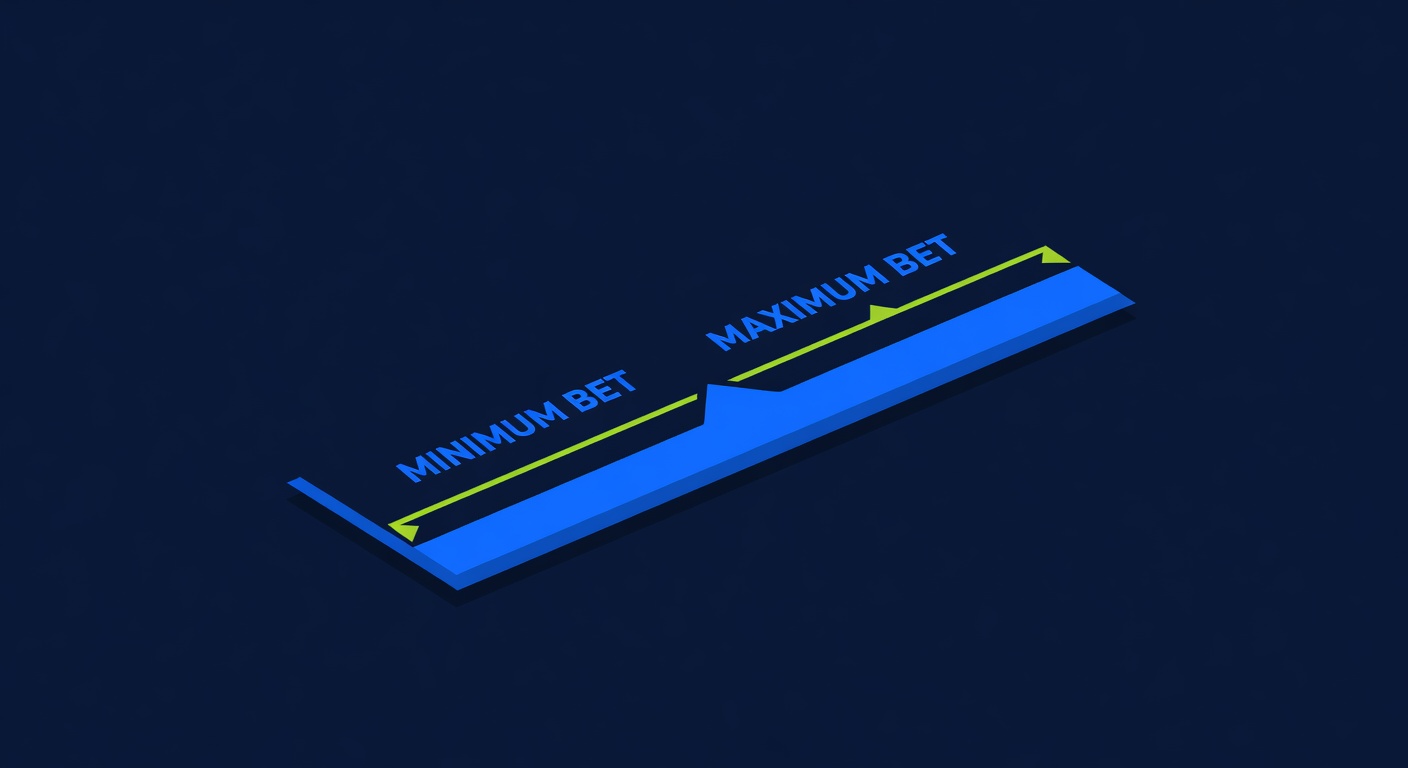
The initial bet minimum at any table is set by shift management, not by policy carved in stone. During peak hours on a Friday night at a major Strip property, a $25 table may have its placard flipped to $50 without fanfare. During a slow Tuesday morning, that same table may open at $10. This is yield management in the same sense an airline adjusts seat prices.
Macau operates differently. On the main floor of Galaxy Macau or Sands China properties, junket-adjacent VIP rooms operate with no posted minimum at all in some configurations. The minimum is a matter negotiated between host and player. The regulatory framework under the Gaming Inspection and Coordination Bureau permits this in designated premium play areas.
Online, the calculus shifts again. A regulated platform under MGA or UKGC license can offer a $0.10 minimum blackjack table at essentially no marginal cost. Evolution Gaming supplies live dealer tables with minimums as low as £1 in some markets. Those micro-stake tables pull in players who would never enter a physical casino at any minimum.
Round 3: Finding the Right Stake Level for Your Session
The practical guidance has three components.
First, set a loss limit before you sit. Not a vague sense of what you can afford, but a number. The table minimum should be no more than 2% of your session bankroll per hand. At a $10 minimum you want at least $500 at the table to survive normal variance in blackjack without going broke before the cards run warm.
Second, understand that higher minimums do not indicate a better game. A $100 minimum blackjack table in a Vegas casino may run 6-to-5 payout on blackjack, which adds 1.39% to the house edge compared to 3-to-2. A $5 table offering 3-to-2 with favorable rules is a better game at a lower stake. Always read the placard rules before sitting.
Third, in physical casinos, walk the floor before committing. Tables are not static. A casino floor at 9pm on a Saturday is not the same room as the same floor at 2pm on a Wednesday. Minimums will have changed. Crowding will have changed. A dealer who is dealing 400 hands per hour at a full $25 table costs you more in expected loss than a dealer at a quiet $50 table dealing 60 hands per hour.
Round 4: The Online Minimum Problem
Evolution's live blackjack floors now post tables with £1 to £5000 minimums in the same lobby, which creates a selection problem that physical casinos never had to solve. A £5 unlimited player can sit at the same table as a £500 bettor, which changes the hand pace. Unlimited seating tables slow down deal speed. Side bets are where most recreational players lose money they did not budget for, and they are prominently placed at every minimum stake.
The design logic from Roger Thomas still applies online. The £1 table pulls the curious visitor into a session. The £500 minimum table, often branded as VIP or Elite, holds the high-volume player. The room is still a circulation problem, now rendered in pixels.