Rakeback in Crypto Gambling: What It Is and How It's Calculated
Rakeback is the house returning a fraction of its edge back to you. On crypto platforms it gets dressed up in various ways, but the math underneath is not complicated once you strip out the branding.
The deal
Rakeback is not complicated. It is the casino or poker room returning some percentage of the rake it collected from you. The casino takes a cut of every bet or every pot. Rakeback gives some of that cut back. That is the whole thing.
The reason this requires an explainer in 2024 is that crypto gambling platforms have turned rakeback into a product, wrapped it in token mechanics and tier labels and weekly chest imagery, and somewhere in that presentation the underlying math gets obscured. Which is convenient for the platforms.
Round 1: The Basic Calculation
In poker, the rake is the percentage the house takes from each pot, usually capped at some maximum dollar amount per hand. If a platform takes 5% rake and you are in 20% of the hands played at your stakes, and the average pot-rake is $1.50, your theoretical contribution to rake per 100 hands is about $3. Rakeback at 30% returns roughly $0.90 of that.
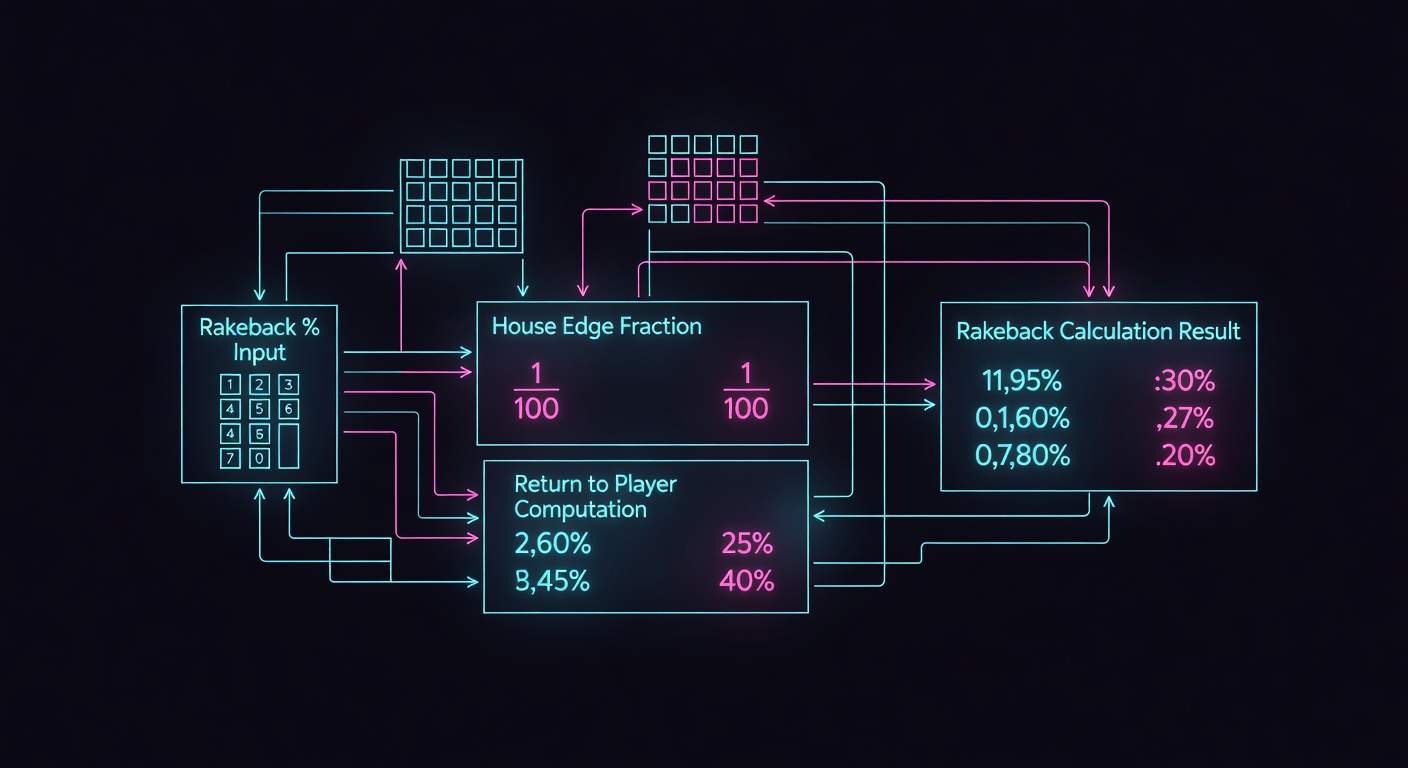
In casino games, the equivalent is the house edge on each bet. If you bet $10,000 in total on a game with a 1% house edge, your expected loss is $100. A platform offering 10% cashback on losses returns $10. This is sometimes called "cashback" rather than "rakeback" but the structure is identical.
On crypto platforms, the dominant model is "wager-based" rakeback rather than loss-based. You earn a fraction of every dollar wagered, win or lose. Stake.com's rakeback system, which has been discussed publicly enough to be cited, works roughly this way: your rakeback rate is determined by your VIP tier, which is itself determined by cumulative wagered volume. Higher tiers get higher rakeback percentages. The percentage is applied to the gross theoretical house take on your bets.
Round 2: The Token Angle
Several crypto platforms pay rakeback in their own native token rather than in BTC or ETH or the currency you wagered in. This is worth thinking about.
If the platform token has genuine liquidity and you can convert it at reasonable spread, this is fine. If the token is primarily liquid on the platform's own DEX, with thin order books and a spread that eats several percent on conversion, the stated rakeback rate is not the effective rakeback rate.
Before getting excited about a 20% rakeback offer paid in a native token, it is worth spending two minutes looking at that token's actual trade volume on a tracker like CoinGecko. If the 24-hour volume is low enough that your weekly rakeback payout would represent a meaningful fraction of it, you have a liquidity problem disguised as a reward.
Round 3: Tiered Rakeback and the Treadmill Problem
Most platforms structure rakeback as tiered: the more you wager, the higher your tier, the higher your percentage. This is a retention mechanism, not a reward program, and the distinction matters.
- Tier 1 (0-10k wagered): 5% rakeback
- Tier 2 (10k-100k wagered): 10% rakeback
- Tier 3 (100k+ wagered): 20% rakeback
The player at Tier 3 has wagered over $100,000 on games with house edges. Even at 20% rakeback, they have contributed far more to the platform's revenue than they have received back. The rakeback is real. The framing of it as a reward for loyalty obscures that the loyalty was expensive.
There is also usually a decay mechanism: miss a week's activity target and your tier drops. This creates urgency to maintain wagering volume to protect a rakeback rate that was itself only ever returning a fraction of your losses. The chip moves around but the house keeps winning.
Round 4: What Actually Matters Before You Play
Three numbers are worth finding before engaging with any rakeback program:
- The house edge on the games you plan to play.
- The effective rakeback rate after converting any tokens to spendable currency.
- Whether the rakeback is loss-based (you have to lose to receive it) or wager-based (you receive it on all volume).
Wager-based is better. Loss-based rakeback is structurally the same as saying "we will reduce your losses somewhat, sometimes."
Provably fair platforms running on transparent smart contracts, where the game logic is auditable on-chain, at least give you certainty that the house edge being raked is the one that was advertised. That's a floor, not a ceiling, but it's more than you can say for some alternatives.