Pending Time vs Processing Time in Casino Payouts
Two numbers sit between you and your withdrawal. The casino controls one of them entirely. Understanding which is which saves a lot of frustrated support tickets.
The deal
People get these mixed up constantly, and casinos are not always in a rush to explain the difference, because confusion tends to keep money on the platform longer. So here is the actual breakdown.
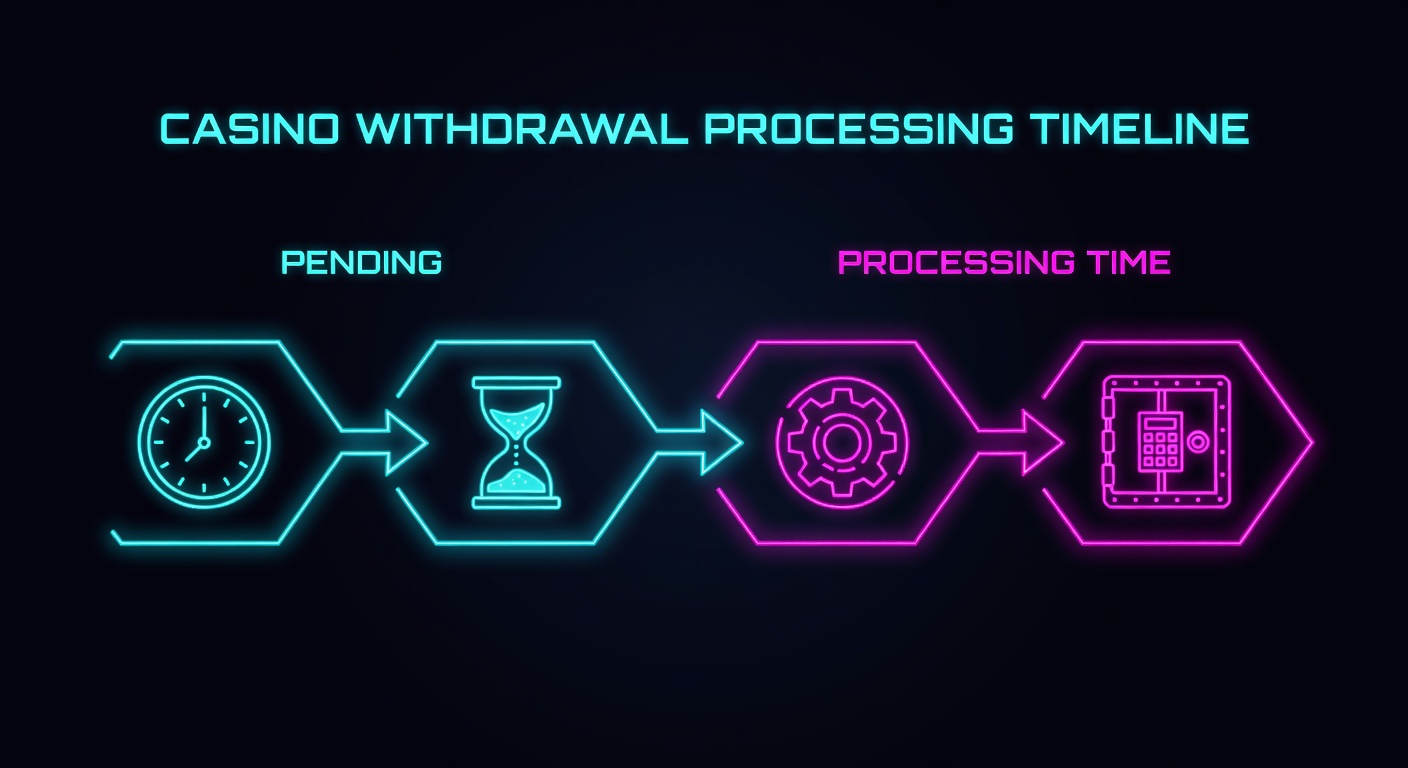
Pending time is the window after you submit a withdrawal request during which the casino can cancel or reverse it. You still have the funds. You just cannot touch them. A lot of operators call this the "review period" or the "security check" and set it anywhere from zero hours to five business days. During this window, you can often cancel your own withdrawal and return the funds to your account balance. Some casinos make that cancel button very prominent. Draw your own conclusions.
Processing time starts after the casino approves and releases the withdrawal. At that point the money leaves their system and enters the payment network's queue. What happens next depends entirely on the payment method, not on the casino.
Round 1: Why They Are Not the Same Problem
If your withdrawal is stuck in pending for 72 hours, complaining to the payment provider accomplishes nothing. The funds have not reached them yet. That is a casino-side delay, and the only people who can fix it are casino-side support.
If your withdrawal cleared pending within an hour but the funds have not arrived after four days, complaining to casino support also accomplishes less than you'd think. Once the casino releases a payment, the processing timeline belongs to Visa, Mastercard, your bank's ACH batch processor, or whichever L2 bridge you routed your USDT through.
On-chain withdrawals show this split very clearly. A crypto casino might release a BTC withdrawal in two hours (their pending time ends, the tx gets broadcast), but if the mempool is congested and the fee was set low, confirmation can take another several hours. The casino's job is done. The blockchain doesn't care about your support ticket.
Round 2: Typical Timelines by Method
- E-wallets (Skrill, Neteller): Pending 0-24 hours at decent operators; processing typically under one hour once released.
- Credit/debit card: Pending 24-72 hours is standard; processing then takes 1-5 banking days depending on your card issuer's batch cycle.
- Bank transfer (SEPA, wire): Pending varies; processing 1-3 days for SEPA, up to a week for international wire.
- Crypto (BTC, ETH, USDT-TRC20): Pending 15 minutes to 2 hours at reputable platforms; on-chain confirmation is network-dependent and nobody's fault.
- Vouchers and prepaid: Often near-instant release, but some voucher systems have redemption windows and daily caps that are technically separate from both pending and processing.
MGA-licensed operators are required under their Player Protection Directive to process withdrawal requests within a defined timeframe, typically five business days for the combined pending-plus-processing window. UKGC licensees face similar obligations. Curaçao eGaming licensing is considerably more permissive about timelines, which is one of several reasons operators choose it.
Round 3: The Actual Source of Most Withdrawal Complaints
Most delayed withdrawals that make it to forums fall into a small number of categories.
KYC verification was never completed. The casino will not release funds until identity documents are checked, and many platforms only trigger this review at the point of first withdrawal. A player who deposited via Trustly, played for three weeks, and then tried to withdraw $800 may be surprised to find that they need to upload a passport and a utility bill before anything moves. This is an AML requirement, not a casino invention, though some operators structure the timing in ways that maximize friction.
The withdrawal method does not match the deposit method. Most regulated casinos operate a "same-source" rule, particularly for card deposits, requiring any return of funds to go back to the original deposit card. This is also an AML measure. Trying to withdraw via bank transfer when you deposited via Mastercard will often trigger a manual review.
Bonus wagering requirements are not complete. A withdrawal attempted while an active bonus is attached to the account will usually be blocked or will forfeit the bonus. The T&Cs will specify this clearly. Reading T&Cs before depositing remains an underrated activity.
None of these delays are the payment network's problem. They are resolved by understanding which part of the pipeline owns which part of the wait.