Tron in Crypto Gambling: Why It's Popular for USDT Deposits
USDT on Tron costs nothing to move. The mathematics are transparent. Therefore, casinos use it and players prefer it.

The deal
Tron is a blockchain network. Stablecoins (USDT, USDC, others) are tokens that maintain a stable value relative to the US dollar. USDT on Tron is the combination: the USDT stablecoin running on the Tron network.
Why is it popular for deposits at crypto casinos? The answer is mathematical and mechanical in equal measure.
Round 1: The Cost Structure
A transaction fee on Tron is measured in Tron Energy. The minimum transaction fee for a USDT transfer is 0.1 TRX, which translates to approximately 0.01 cents in USD at current exchange rates.
Contrast this with other blockchains. Ethereum mainnet: 0.50 dollars to 5.00 dollars per transaction, depending on network congestion. Bitcoin: 1.00 dollars to 10.00 dollars per transaction. Polygon: 0.01 dollars to 0.10 dollars per transaction.
Therefore, Tron offers the lowest transaction costs of any major blockchain, excepting Layer-2 solutions on Ethereum. For a casino operator, this matters. For every deposit accepted and withdrawal processed, the transaction cost is negligible. Over thousands of daily transactions, the cumulative savings are material.
Round 2: The Settlement Speed
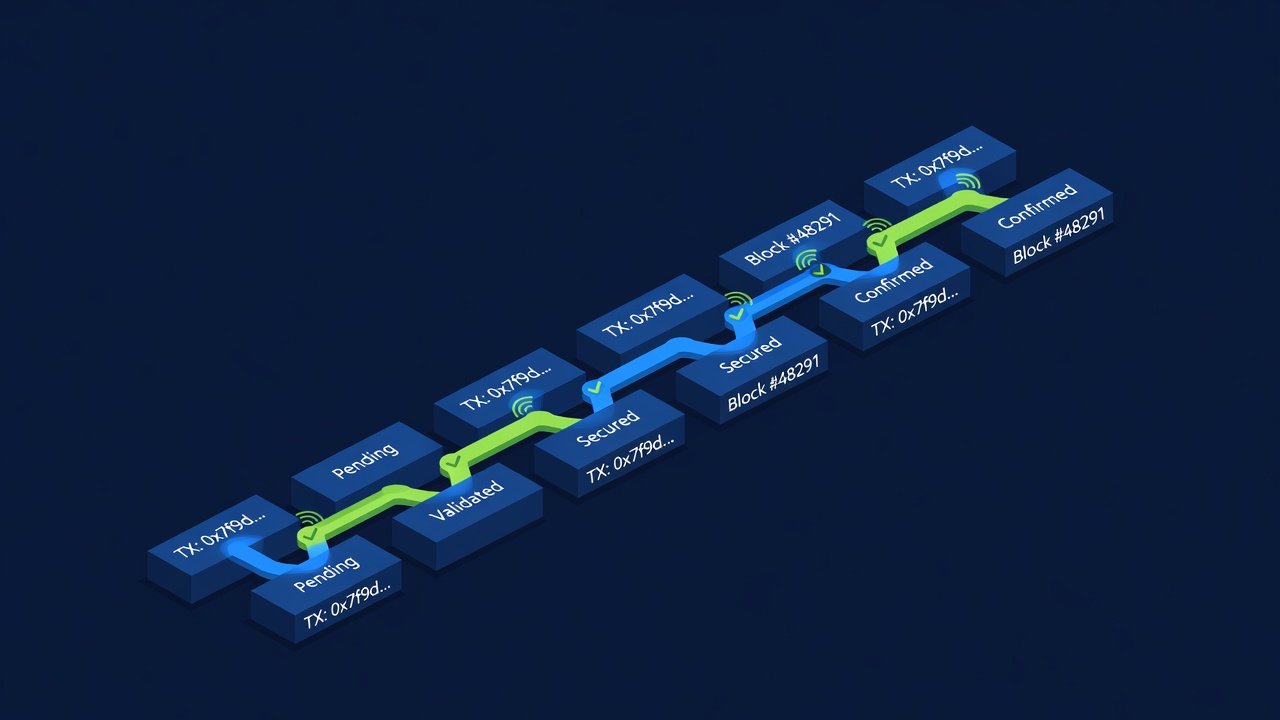
A Tron transaction confirms in 3 seconds. This is deterministic. The Tron network uses a delegated proof-of-stake consensus mechanism, which means block production is regular and predictable.
Compare: Ethereum, 12-15 seconds per block, but casinos typically wait for multiple confirmations, resulting in 1-2 minute settlement. Bitcoin, 10 minutes per block.
A casino customer deposits USDT on Tron at 11:00 PM. By 11:00:03 PM, the casino has received the deposit and credited the player's account. This speed is the difference between a player being able to play immediately and waiting for confirmation.
Speed matters psychologically. A player who can play instantly is more likely to maintain momentum. A player who waits is more likely to reconsider.
Round 3: The Liquidity Consideration
USDT on Tron has significant liquidity. The total supply of USDT across all blockchains is approximately 50 billion dollars. Tron holds approximately 50 percent of that supply, making it the largest repository of USDT.
For a casino operator, this means: converting USDT on Tron back to fiat currency (should they choose to do so) is straightforward. The volume is sufficient that an operator can execute large trades without moving the market.
This is different from smaller blockchains or smaller stablecoins, where liquidity is limited and converting to fiat becomes difficult.
Round 4: The Regulatory Openness
Tron is based in Singapore. The Tron Foundation operates with relative transparency. The network is open and accessible. There are no geographic restrictions on who can run a Tron node or hold USDT on Tron.
This creates a jurisdictional advantage for casinos operating in less-regulated areas. A casino in Curacao or Kahnawake can accept USDT on Tron without coordinating with a specific banking system. The blockchain is the banking system.
This is also why Tron is popular for casinos serving players from jurisdictions with restrictions on traditional banking. A player in a jurisdiction with capital controls can purchase USDT using peer-to-peer methods, transfer it to a casino on Tron, play, and withdraw. The traditional financial system is bypassed entirely.
Round 5: The Smart Contract Integration
Casinos integrate Tron smart contracts directly. A player's deposit triggers a smart contract. The contract credits the player's account. The casino's backend system reads the contract state.
This creates an atomic settlement. There is no ambiguity. The transaction either happened or it did not. There is no dispute about when the deposit arrived or whether it was confirmed.
Other blockchains offer this as well, but Tron's low cost makes it the default for casinos that want provably fair, on-chain settlement without burning capital on transaction fees.
Round 6: The Ecosystem Maturity
Tron has matured into a full ecosystem. Exchanges, wallets, lending protocols, and casinos all run on Tron. A user can enter the Tron ecosystem, remain there entirely, and never need to interact with other blockchains.
This creates a moat for Tron. Players are familiar with the ecosystem. Wallets support it. DEXs have liquidity. Casinos are plentiful.
For a player wanting to gamble using cryptocurrency, Tron is the path of least resistance.
Round 7: The Implication
USDT on Tron is popular because the mathematics and mechanics align. The costs are negligible. The speed is fast. The liquidity is ample. The regulatory environment is permissive. Therefore, casinos use it. Therefore, players prefer it.
It is not the best technology. But it is the optimal technology for this specific use case, which is a statement about how well technology selection reflects incentives.