Gambling Terms for Luck, and What the Odds Actually Say
Hot hand, due, running hot: where the luck talk at casino tables comes from, and why a coin with no memory keeps proving those phrases wrong.
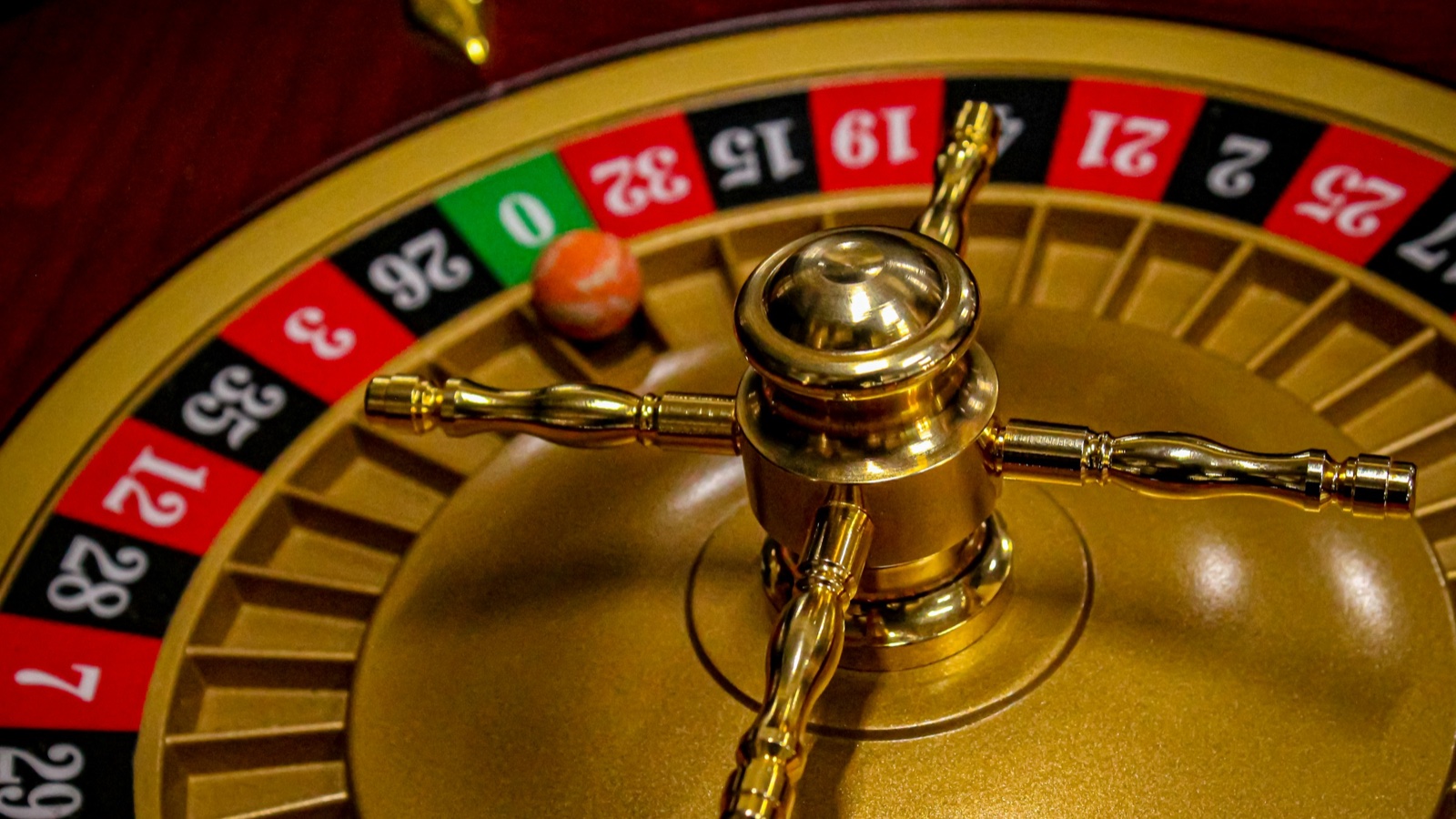
Photo: Tejas Kotha on Unsplash
The deal
Most gambling terms for luck boil down to one of two promises: whatever just happened is about to keep happening, or it is about to flip. The odds back neither. A coin, a wheel or a reel has no memory of the last result, so "hot hand" and "it's due" describe a feeling about a streak, not anything the math is doing.
That is the reality check. The rest is lore: where the phrases came from, and the night a casino full of believers paid for them.
Round 1: The Monte Carlo night that named the fallacy
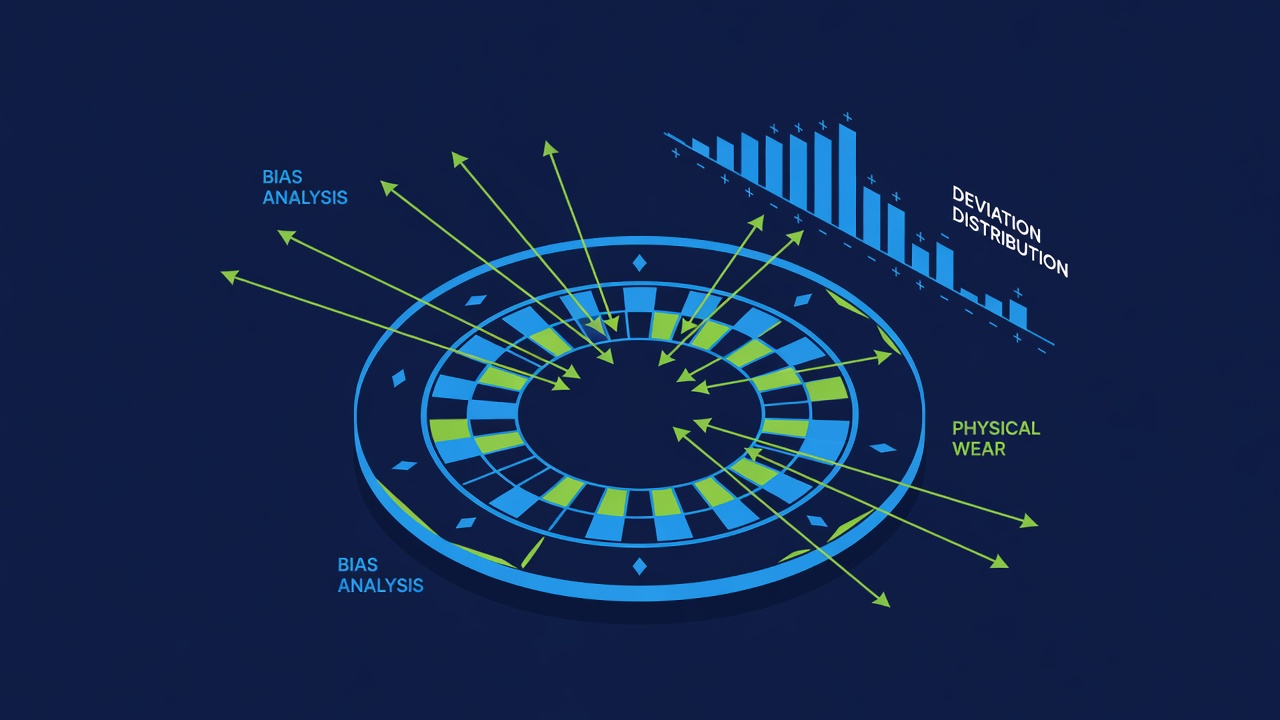
The most expensive luck story in casino history played out at a roulette table in 1913. In the Medical Journal of Australia's retelling of the run, black kept landing, the room kept betting that red was surely next, and the streak went 26 spins before it broke. By then, few of them could afford to keep playing.
That is why the gambler's fallacy has a second name: the Monte Carlo fallacy. The crowd was not dumb, it was reading a streak as a signal. Every spin was a fresh one, with the same odds as the spin before it.
Round 2: "It's due": the phrase the gambler's fallacy runs on
"Due" is the purest luck term in the building and the one with the weakest case. It assumes recent results drag future ones back toward some average. The MJA piece shuts that down in plain words: every flip is an even chance, whatever came before.
Here is the part that breaks people's brains. Ten heads in a row is a one in 1024 shot, which sounds like proof that tails is coming. It is not. Any other exact ten-flip pattern you could write down is exactly as rare, so the streak only feels special because it is the one you noticed.
Round 3: "Hot hand": where the streak talk came from
The hot hand is the mirror image of "due." Gilovich, Vallone and Tversky traced the phrase to basketball commentary, where it means a player running above his overall record. In their account it is not just fan talk. Players, coaches and fans all share the belief, and it shapes which plays get called and who gets the ball.
On a casino floor it shows up as running hot. Same idea, same catch: at a game of independent outcomes, a hot streak is variance you spot after the fact, not momentum you can ride.
Round 4: Even the professionals fall for it
If you think this is just a degen problem, the receipts say otherwise. Economists Chen, Moskowitz and Shue found asylum judges, loan officers and baseball umpires making calls as if streaks had to reverse, and put it down to people underestimating chance streaks. The pull got stronger after longer runs in one direction and among the less experienced decision-makers.
So when someone at the table swears the wheel owes them, they are in serious company. Being in good company does not change the odds.
Round 5: Which luck terms describe real variance
Streaks are real. Reading them as a signal is where the fallacy starts.
| Term | What it claims | What the odds say |
|---|---|---|
| Hot hand / running hot | A streak means you are playing above your usual level | Born in basketball talk; at an independent game the last result does not move the next one |
| It's due | A result is owed after a long run the other way | The 1913 Monte Carlo crowd bet on that for 26 straight blacks |
| On a streak | Something is happening | True, and that is all: streaks show up by chance more often than people expect |
For the rest of the floor vocabulary, from markers to tax forms, the casino slang terms guide has the full glossary.
Round 6: The regulars ask
What are some idioms about luck?
At the tables, the two that carry the most weight are "hot hand" and "due." One says a streak will keep going, the other says it is about to flip, and both read a random sequence as if it were sending a message.
What are gambling terms in slang?
For luck specifically, the big ones are running hot, the hot hand and "it's due." They sound like insight, but at a game where every spin or flip is independent they describe a streak you already saw, not one you can bet on.
What is good luck for gambling?
In odds terms there is no switch to flip. A wheel, a deck shuffle or a coin keeps no record of the last result, so a lucky night is variance that went your way, and the next bet starts from the same odds as the first.
Round 7: Receipts
- Medical Journal of Australia, The Monte Carlo fallacy, October 3, 2011
- National Bureau of Economic Research, Decision-Making under the Gambler's Fallacy: Evidence from Asylum Judges, Loan Officers, and Baseball Umpires, February 1, 2016
- Cambridge University Press (Gilovich, Vallone, Tversky), The Hot Hand in Basketball: On the Misperception of Random Sequences, undated, accessed October 2026