How Stablecoin Betting Is Changing Online Sportsbooks
USDC. USDT. DAI. These tokens peg to the dollar but live on blockchain. They eliminate currency risk from international betting. They are also eliminating the middleman that payment processors have always been.

The deal
The WSOP started integrating cryptocurrency payments in 2021. It was a marker. At that exact moment, the entire infrastructure of online gambling began to shift.
Stablecoins are cryptocurrencies pegged to fiat currencies. USDC stays at one dollar because Circle promises to back it. USDT stays at one dollar through a more complicated mechanism that a lot of people do not trust but that works anyway. DAI is algorithmic, backed by over-collateralized crypto positions.
They all trade like dollars on sportsbooks. And they changed something fundamental about how bets move money.
Round 1: The Elimination of the Payment Processor
When you bet at DraftKings, your money goes to DraftKings through a payment processor (Stripe, FanDuel's own system, whatever). The processor takes a fee. DraftKings takes its rake. The money moves through layers.
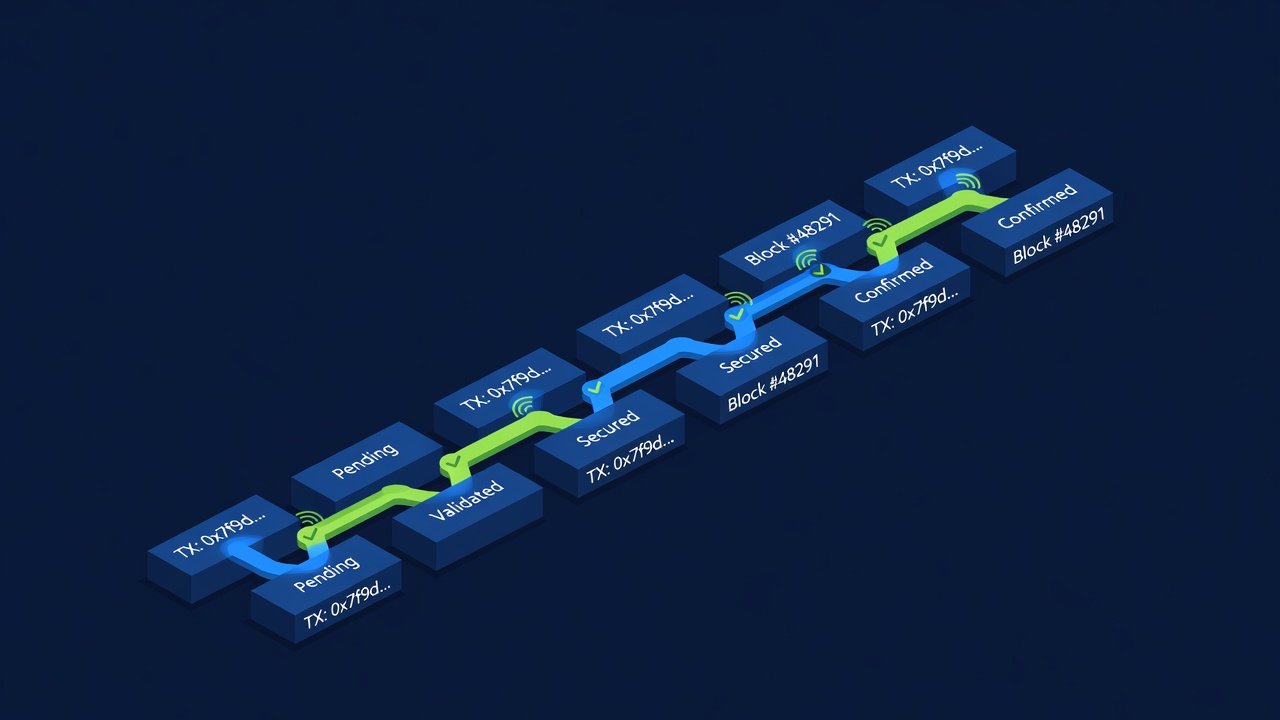
With stablecoin deposits, you send USDC directly to the sportsbook's wallet. There is no intermediary. There is no payment processor fee. The blockchain is the processor.
For the sportsbook, this is excellent. Fees drop from 2-3 percent to zero. For the bettor, the impact is different. The reduction in fees does not go to the bettor. The reduction in fees becomes pure margin for the operator.
But the speed increases. A deposit that takes 1-2 business days now takes 10 minutes. A withdrawal that takes 3-5 days takes an hour.
Round 2: The Regulatory Question Mark
Most US-regulated sportsbooks do not yet accept stablecoins for deposits or withdrawals. The reason is regulatory uncertainty. The UKGC and MGA have not fully clarified whether stablecoin transactions trigger AML/KYC requirements, whether they constitute money transmission, or how they fit into existing frameworks.
Some international books have moved faster. Stake accepts multiple cryptocurrencies including stablecoins. Smaller platforms targeting crypto-native bettors have built entire products around stablecoin deposits.
The uncertainty is temporary. Regulation will clarify. When it does, the speed advantage of stablecoins will be irresistible. A 3-minute deposit cycle will destroy a 2-day cycle as a customer experience metric.
Round 3: The New Problem
Stablecoins create a new issue: the smart contract risk. USDC is backed by real dollars held by Circle. If Circle goes bankrupt, USDC becomes worthless (or partially worthless). This has happened before, sort of. When Silicon Valley Bank failed, USDC dipped briefly because Circle held deposits there.
This is different from traditional payment processors but not entirely different. If Stripe goes down, money can be delayed. If USDC loses its peg, money loses value. The risk is real but it is also different from what people understand.
Round 4: Volatility and Arbitrage
Stablecoins occasionally trade off their one-dollar peg. When this happens, arbitrageurs pounce. You can buy USDC at 0.99 on one exchange, sell it at 1.00 on another, and pocket the spread.
This creates complexity for bettors. If you deposit USDC at $0.99 but the peg restores to $1.00 while your bet is pending, you have silently made money. Conversely, if you deposit at $1.00 and the peg slips to $0.98, you have lost money just by holding.
Most sportsbooks do not account for this. They take your stablecoin at face value. In times of calm, this is fine. In times of volatility, it is an edge for informed bettors.
Round 5: The Future
Stablecoin betting is not dominant yet, but it is growing. Crypto-native platforms are winning users because speed and lack of payment processor friction matters to people who live in crypto. Traditional sportsbooks will eventually move because the regulatory path will clear and the cost savings will be impossible to ignore.
When this consolidates, deposit and withdrawal cycles will drop from days to hours. The experience will improve in a way that customers will immediately feel.
End of story
Scenes in this story