How HTML5 Transformed Mobile Slot Design
Stay with me here. HTML5 didn't just make mobile slots possible. It made them good. Like, genuinely good. Here's the technology that made that happen.
The deal
Okay, okay. So about ten years ago, mobile slots were rough. We're talking choppy animations. Battery drain. Games would freeze mid-spin. Actually, they were kind of unplayable.
HTML5 changed all of that. Completely.
Round 1: What HTML5 Actually Brought
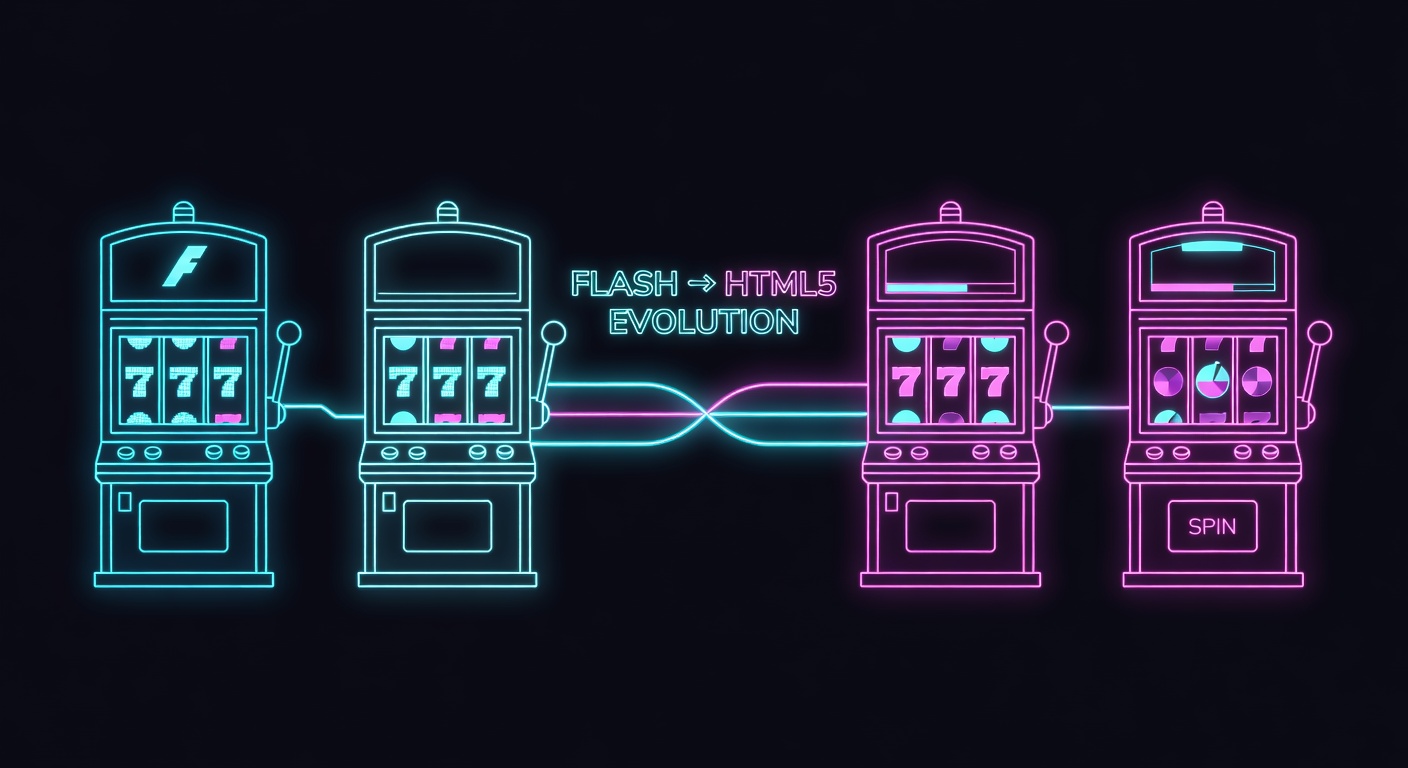
Before HTML5, mobile games were basically trying to squeeze Flash onto a phone. Flash was built for desktop. It was hungry. Battery would drain in minutes. The rendering was all over the place.
HTML5 is native to the browser. It talks directly to your phone's hardware. Graphics acceleration works smoothly. Battery lasts. This is the crazy part: the game can run at 60 frames per second without cooking your phone.
Animations are sharp. Transitions are smooth. The sound syncs perfectly with the reels. Before, you'd have spinning reels out of sync with the audio. Now, that doesn't happen.
Round 2: The Design Freedom It Created
HTML5 gave designers something they never had: actual power on mobile. Before, mobile slots looked like baby versions of desktop games. Dumbed down. Fewer features. Lower quality art.
HTML5 flipped that. Designers could now build mobile-first. Build the game for the phone, then port it to desktop if they wanted. Suddenly you're seeing mobile slots with better graphics than their desktop versions. Honestly, it's insane.
The touchscreen experience became native, not bolted on. Swipe a reel and it feels responsive. Tap to spin and the button reaction is immediate. No lag. No weird delay.
Round 3: Why This Mattered for the Industry
Mobile slots went from a novelty to a primary platform. Before HTML5, maybe 15% of casino traffic came from mobile. After? We're talking 60%, 70% depending on the operator.
HTML5 made that possible because the experience became actually good. Players didn't have to accept "this is mobile, it's going to be choppy." The game just worked. Like, really worked.
Hardware acceleration through HTML5 meant that even budget phones could run beautiful games. You don't need a fancy phone anymore. Any phone can play any modern mobile slot smoothly.
Round 4: The Technical Reality
HTML5 introduced something called WebGL, which is basically a way to talk to your graphics card directly from the browser. This means the processor can hand off the heavy lifting to the GPU. The CPU stays free to manage game logic. The result: smooth, fast, battery-efficient.
And here's the thing: cross-device compatibility became actually possible. Code it once in HTML5, and it runs the same on iOS, Android, older phones, new phones. Flash never could do that.
Security improved too. HTML5 games run in a sandboxed environment. Hackers can't just reverse-engineer the code and mess with payouts. The game logic stays server-side where it matters.
Round 5: What Mobile Slots Look Like Now
They look good. Like, genuinely beautiful. Themes that rival desktop games. Smooth animations. Music that actually fits the design. Light, responsive, playable for hours without draining your battery.
HTML5 made all of that standard. You expect it now. You'd be shocked if a modern mobile slot was anything less. That's how completely this technology transformed the whole category.
It's wild when you think about it: one technology shift basically created the mobile casino industry as we know it.