Chargebacks and Online Gambling: What You Should Know
A chargeback is a customer dispute with their bank over a transaction. In online gambling, chargebacks are common and often devastating for the player who initiates them.
The deal
In Austrian school economics, a transaction is considered voluntary and binding once both parties have committed to it. A customer deposits $500 at a casino and loses $400. The customer then disputes the charge with their bank, claiming the transaction was unauthorized.
This is not a new phenomenon. Chargebacks have been possible since credit cards existed. But online gambling has made chargebacks a recurring problem.
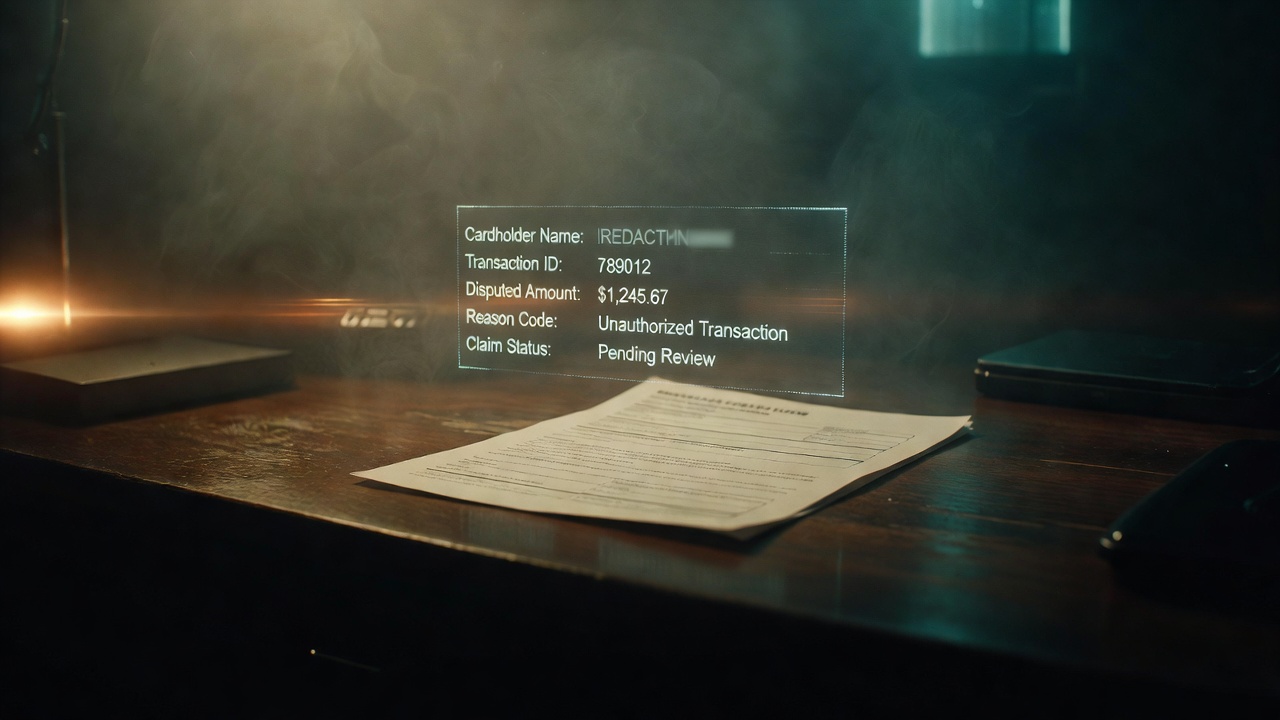
A chargeback is a customer-initiated reversal of a transaction. The customer contacts their bank and claims either: the transaction was fraudulent (I did not authorize it), the transaction was for a different amount than what was charged, or the transaction was unauthorized use of the card (someone else used my card).
The bank investigates (or does not investigate thoroughly) and often sides with the customer, reversing the charge and crediting the customer's account.
For a regulated casino, chargebacks are manageable. The casino has documentation of the deposit (the customer's authorization, their IP address, their account confirmation), and they can dispute the chargeback. Regulated casinos win the majority of chargeback disputes.
For unregulated casinos, chargebacks are revenue loss. The casino has minimal documentation and cannot prove authorization in a way that satisfies the bank. Unregulated casinos lose the majority of chargeback disputes.
Round 1: Why This Matters
For the customer: initiating a chargeback feels like a way to recover gambling losses. It is not. Most chargebacks are rejected by the bank or, if accepted, are reversed once the casino provides documentation. The customer ends up in the same situation (having lost money) but now also marked as a chargeback risk by their bank.
Banks track customers who initiate chargebacks. A pattern of chargebacks (three or more in a year) can result in account closure. Some payment processors (like Stripe or Square) will close a merchant account entirely if they see high chargeback rates. This is how payment processors protect themselves from fraud.
For the casino: chargebacks are losses. Even if the casino wins the dispute, they have spent time and money contesting it. If the casino loses, they lose both the original amount and the chargeback fee (typically $15 to $100 per chargeback).
Round 2: The Macro Effect
Chargebacks create a friction point in the gambling ecosystem. Credit card processors do not like processing gambling transactions because of high chargeback rates. Visa and Mastercard have considered banning gambling transactions entirely (they have not, but the threat exists). Banks hesitate to process gambling deposits because customers frequently dispute them.
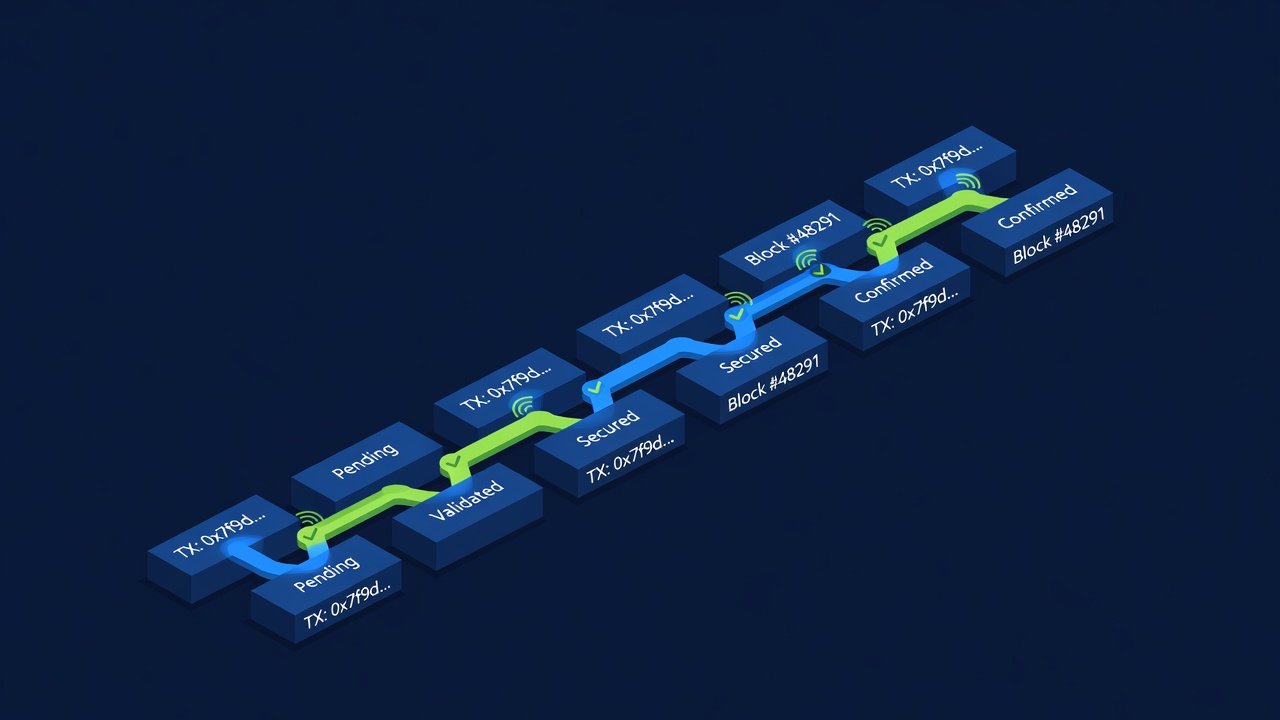
This is why crypto casinos and alternative payment methods exist: they bypass the chargeback system entirely. Once a Bitcoin is transferred, it cannot be reversed. A customer cannot dispute a blockchain transaction.
Round 3: The Rational Approach
If you are going to gamble online, accept that the money you deposit is spent. Once the deposit is in your casino account, it is gone (in expectation). Attempting to reverse it via chargeback is not a recovery strategy; it is a delay that eventually ends in the same outcome.
If the casino is fraudulent (you deposited money and the casino stole it without allowing any play), a chargeback is your only recourse. In that case, use it. But if you lost money playing legitimately, a chargeback will not fix it.
The customer who understands this saves themselves the administrative burden and the risk of account closure.