Women Who Are Shaping the Modern Poker World
Right, here's the thing about women in poker. People keep acting like it's new. It isn't. What's new is that a few of them are getting paid what they're worth and talking about it.
The deal
I've been in and around the poker business since the early nineties. Worked a pitch at Epsom, took bets at the Vic for a season, knew a few faces from the old Ladbrokes rooms. And I'll tell you straight: there were women playing serious poker back then. Serious poker. Not "ladies events" with a reduced buy-in and a gift bag. Proper games.
But the industry, if you can call it that, acted like they weren't there. And now it's 2024 and everyone's writing think-pieces about the "rise" of women in poker like it's news. It's not news. It's just that a few specific people are impossible to ignore now.
Round 1: Vanessa Kade: The One Who Made the Tour Uncomfortable
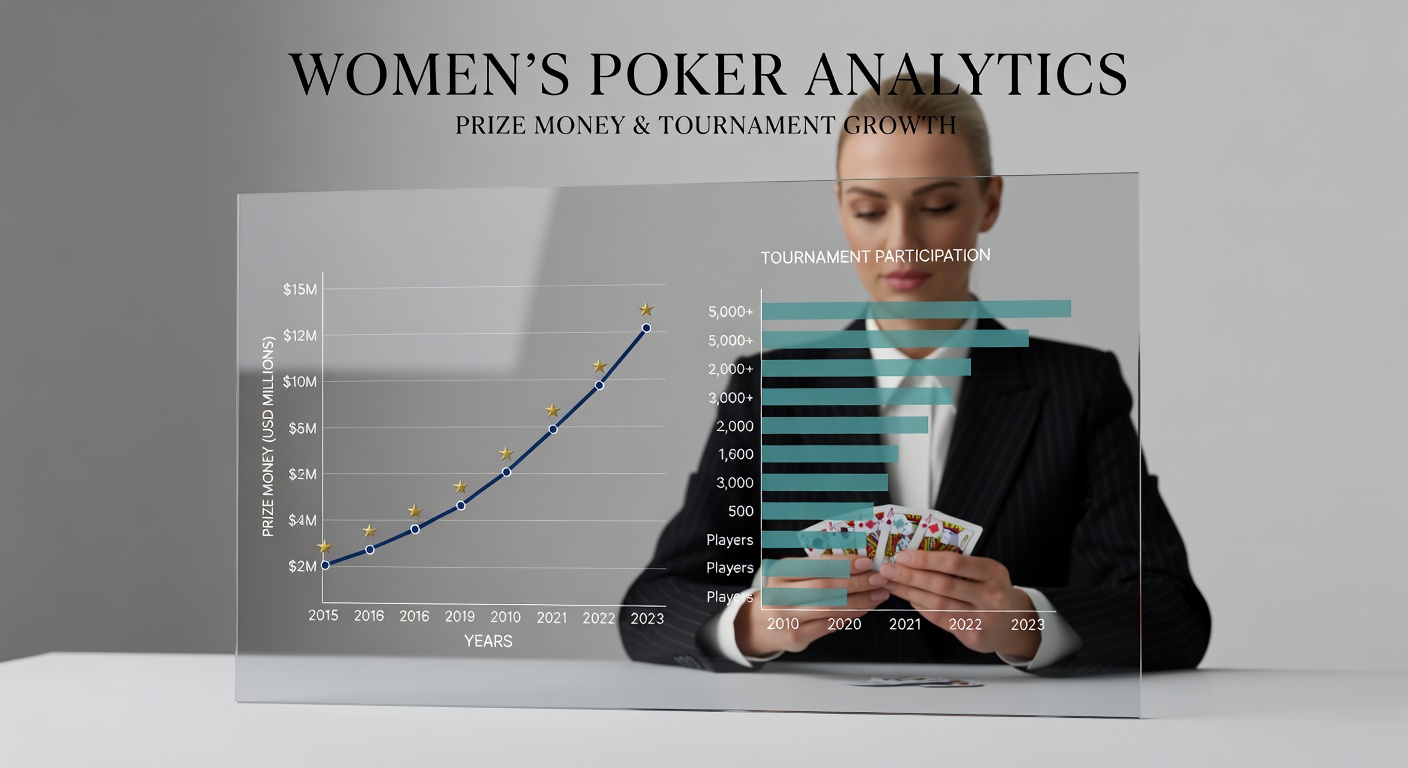
Vanessa Kade has won over $2 million in live tournament earnings. That's a solid number. But what she's actually done that matters is she's made it difficult for anyone to write the old narrative.
She won the Sunday Million online in 2019 for $480,000 playing as "varianceissexy" on PokerStars. Then she got into a public dispute with Dan Bilzerian over the "sexualization" of poker marketing, which went everywhere. Suddenly the conversation about women in the game had a face attached to it that wasn't asking for permission to be taken seriously.
I don't know the woman personally. But I respect anyone who calls out mug behaviour when they see it, regardless of who's doing it.
Round 2: Kristen Bicknell: Three Time GPI Female Player of the Year
If you want the numbers rather than the narrative, Kristen Bicknell is your example. She's won the Global Poker Index Female Player of the Year three times running, has over $4 million in documented live earnings, and plays a style that anyone who grew up watching proper cash game poker would recognise as sound. Tight, aggression in the right spots, no fancy play syndrome.
She also plays online under her own name, which not many top players do anymore. The old turf accountant in me appreciates that. No hiding.
Round 3: Maria Konnikova: The One Who Came From Outside
Now this one's interesting, and I'll admit it surprised me.
Maria Konnikova is a journalist and author who decided in 2016 to learn poker from scratch with Erik Seidel as her coach, and write a book about it. The book came out in 2020 and it's called "The Biggest Bluff." She won more than $300,000 during the project, which tells you something about both her and Seidel.
The thing that struck me reading it was that she understood something old regulars know but never say out loud: poker is mostly about managing your own head, not reading other people. The mug punter thinks it's about spotting tells. The serious player knows it's about not letting the variance eat you alive.
She came in from journalism, wrote it down clearly, and apparently played well enough to prove the point with her own results. Hard to argue with that.
Round 4: What's Actually Changed
Here's what I think has shifted, and I'll keep it brief because I'm not one for long speeches.
The online game changed the power dynamic. When you're playing on PokerStars or GGPoker, nobody knows your gender from your hand history. The hands stand on their own. A woman who's put in 500,000 online hands knows more about the game than a bloke who's played 200 live sessions at a casino where everyone knows his face. The results don't care.
The women who are running the modern game learned on those sites. They built their bankrolls there, their reads, their ranges. Then they came to the live tables already formed. The old-boy network that ran the casino rooms couldn't gate-keep the online training ground. That's what changed.
The names above are not anomalies. They're what happens when the barrier to entry drops and the people who should have been there all along can actually get in.