The Rise of VR Table Games: What to Expect
Virtual reality table games have been promised for a decade. Now they are actually coming. The experience is not what you might think.
The deal
The high-limit room at a Macau casino is a closed environment. No one who does not belong there sees what happens. The whales play in near-silence, with their preferences memorized by staff. The squeeze of a card is ritualized. Everything that happens in that room is designed to feel exclusive.
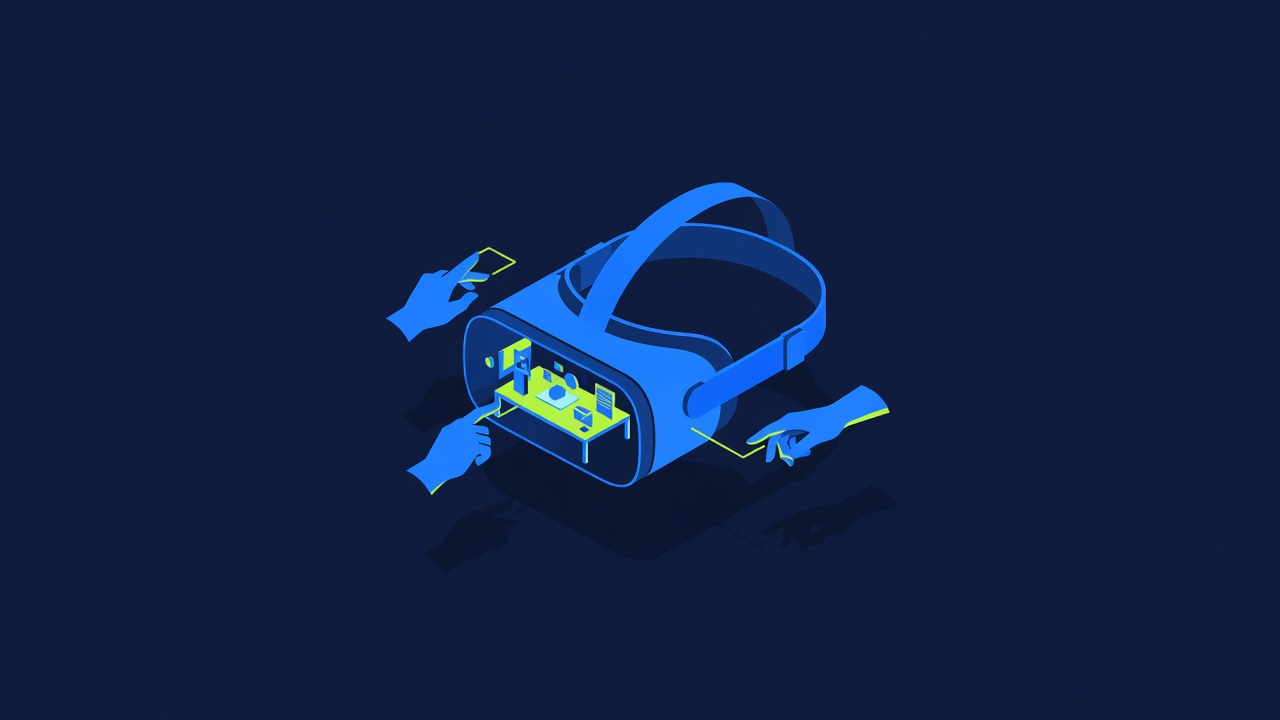
Virtual reality table games promise to recreate this experience. The player sits at home, puts on a headset, and is transported to a digital baccarat table where they can see the dealer, see other players, place bets, and receive cards.
The technology is maturing. Pragmatic Play, one of the largest live casino providers, has been testing VR table games since 2019. The first public beta of Pragmatic Play's VR Live Baccarat launched in 2020. The experience is stable enough that a few dozen players have tested it.
Round 1: What VR Changes
The first change is immersion. A player sitting at a computer watching a live dealer on a two-dimensional screen is observing the game. A player wearing a headset in a virtual baccarat room is inhabiting the space. The psychological difference is significant.
The second change is social presence. Even though the other players at the virtual table are avatars controlled by other real people, the sense of presence is stronger than watching a 2D stream. The spatial awareness (you know where the dealer is relative to you, where the other players are) activates social processing in the brain.
The third change is ritual. In a physical casino or even a two-dimensional live casino, there is a scripted sequence of actions. In VR, the croupier can move around the table, engage with individual players, create the sense of a real room. The ritual becomes more elaborate.
Round 2: What VR Does Not Change
The house edge remains the same. The game mechanics remain the same. The expected value of your bets remains the same. Immersion does not alter probability.
But immersion does alter behavior. A player who feels more present in the game may be more inclined to stay longer, bet larger, and play more sessions.
Round 3: The Technical Challenge
VR requires significant infrastructure. The headsets are expensive (hundreds of dollars), the bandwidth requirements are high (stable, low-latency internet connection), and the setup is more complex than clicking on a website.
This creates a natural cap on adoption. VR table games will not replace traditional live dealer games anytime soon. They will be a premium offering for players with the equipment, the setup, and the interest.
Round 4: The Regulatory Path
Licensed casinos (those regulated by the MGA, UKGC, etc.) will offer VR games once the testing and regulatory approval is complete. This is already happening in beta in some jurisdictions.
Unlicensed crypto casinos will likely adopt VR faster, since they have fewer regulatory constraints. But they also have lower trust, so adoption may be slower despite fewer barriers.
Round 5: The Experience
I have not played VR table games myself, but the descriptions from beta testers suggest something intermediate between a physical casino and a digital one. The ritual and atmosphere of a physical casino without the travel cost. The convenience of online without the flatness of a screen.
It is a novelty that may become a standard offering within five years. But for most players, most of the time, it will remain optional.