How Live Casino Studios Are Built: A Tour
Evolution Gaming operates 75 live casino studios worldwide. The architecture tells a story about how technology and tradition have merged.
The deal
The first live casino studios opened in 2009. They were filmed versions of traditional tables: a dealer, a table, a camera. The technology was basic. The video quality was poor by modern standards. But the premise was revolutionary: you could sit at home and play against a live dealer as if you were in a casino.
The studio format has evolved dramatically in the past fifteen years.
A modern live casino studio is a complex engineering environment disguised as a simple casino floor. Let me walk through the elements.
Round 1: The Physical Table Area
Evolution Gaming, the dominant live casino software provider, operates studios in Riga, Malta, and other locations. The physical tables are modified versions of standard casino tables, with one critical difference: they have built-in optical scanning technology.
When a card is dealt, the card reader (built into the table) scans the card and transmits the card identity to the game software. The dealer does not input anything manually. The technology is automatic.
For games like roulette, sensors embedded in the wheel track the ball position, the wheel speed, and the final resting place. This data is transmitted to the server in real time.
The modification to the table adds cost but enables multiple games simultaneously on the same table and automatic result transmission without dealer input.
Round 2: The Camera Infrastructure
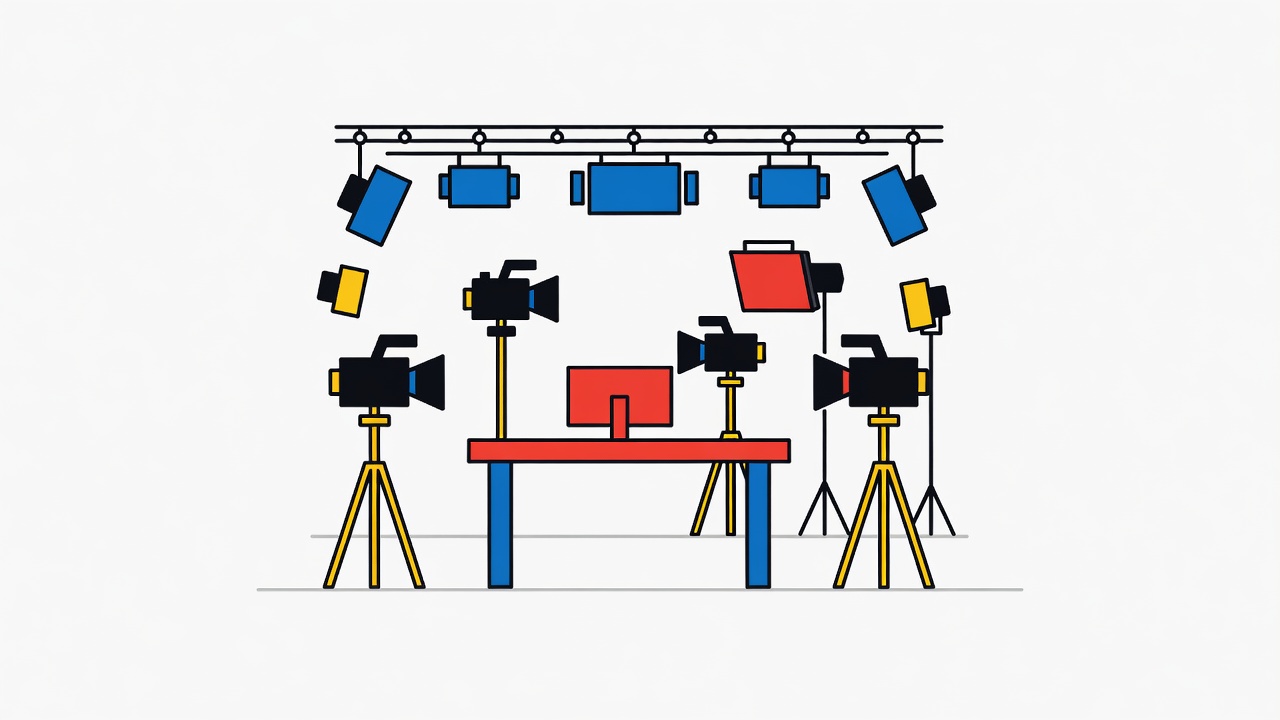
A single table has 12-15 cameras. This is not excessive. The cameras capture:
The dealer's face (for authenticity, so players see they are playing against a human)
The cards or wheel being dealt (for verification, so players can verify the outcome)
The entire table surface (for rule disputes, so the studio can review what happened)
The player betting area (if it is a multi-player game)
Overhead angles (for multiple verification angles)
Multiple cameras on the same action allow the director to switch between angles during the stream. This creates a cinematic experience, not just a functional broadcast.
The cameras are 4K capable at 60 frames per second. This is expensive. A single 4K camera runs 5000-15000 dollars. A table's camera setup costs 150000-300000 dollars in equipment alone.
Round 3: The Broadcast Infrastructure
The video stream from 12-15 cameras is compressed and transmitted to a central server. The compression must be aggressive (otherwise the bandwidth requirement becomes impossible) but must maintain quality (otherwise players distrust the game).
Evolution Gaming uses their proprietary compression technology. They transmit at 1080p 60fps to desktop players and 720p 60fps to mobile players. The bandwidth requirement is about 5 Mbps per player.
For a table with 50 simultaneous players, the studio must have 250 Mbps uplink capacity. For a studio with 20 tables, that is 5 Gbps uplink. This requires dedicated fiber infrastructure in the studio location.
Latency is critical. The time between a dealer's action and the player seeing it on screen must be under 500 milliseconds. Any longer and the game becomes unplayable (players cannot react fast enough to make bets).
Round 4: The Control Room
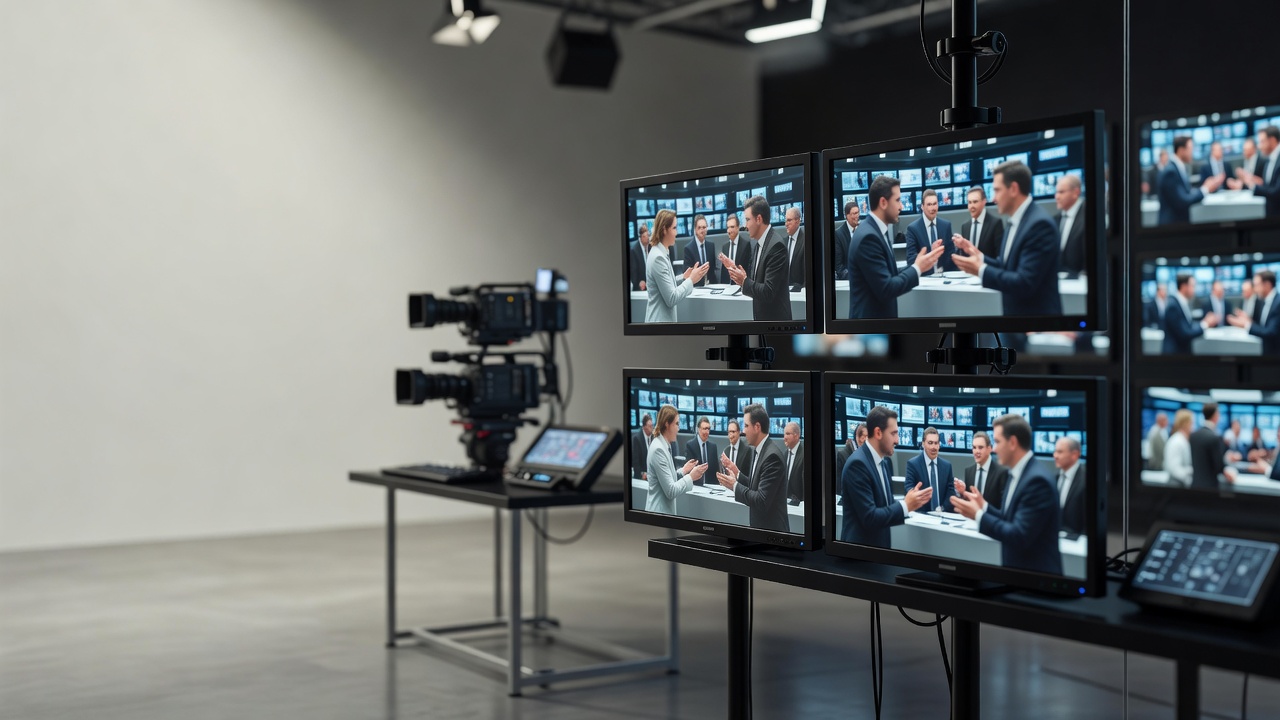
Above and behind the gaming floor is the control room. This is where the director, the line producer, and the technical staff manage the broadcast. It resembles a TV studio control room.
The director chooses which cameras to display. During a roulette spin, the director might show: (1) wheel from above, (2) wheel from the side, (3) ball at the final moment, (4) dealer announcing results. This is edited in real time.
The technical staff monitors:
Broadcast quality (video bitrate, frame rate, latency)
Game integrity (are the sensors reading correctly, is the result correct)
Player experience (are there disconnects, are complaints being received)
Security (are there any suspicious betting patterns, any signs of collusion)
A modern control room has 6-10 staff members for a single table, though multiple tables can be managed by the same staff.
Round 5: The Data Layer
Every card dealt, every spin, every bet, every result is stored permanently in encrypted databases. This data serves multiple purposes:
Audit: Regulators can request footage and data to verify that the game is fair.
Dispute resolution: If a player claims they were cheated, the studio can prove exactly what happened.
Anti-fraud: The data is analyzed for suspicious patterns (certain dealers winning too much, certain bets coming in with unusual frequency).
Game optimization: The data shows which games are popular, which dealers are most desired, which times of day see the most action.
The data retention requirement is typically 7 years minimum (per MGA regulations). This generates massive storage costs.
Round 6: The Staff
A single live casino studio might employ:
20-40 dealers (working shifts)
10-15 technical staff (camera operators, directors, line producers)
5-10 compliance and operations staff
5-10 customer service staff (handling player disputes)
Total: 40-75 staff per studio.
Evolution Gaming operates 75 studios, suggesting roughly 3000-5000 staff globally. This is expensive, which is why the company is so profitable (their software is licensed, not sold, so they charge recurring licensing fees).
Round 7: Why Studios Exist
Players trust live games because they can see a real dealer. This emotional trust is worth more to the casino than the cost of operating the studio.
Online slots have a 85-98 percent RTP depending on configuration. Live games have a 96-98 percent RTP. But the trust created by seeing a live dealer means players spend more time playing live games than they would playing automated RNG games with the same RTP.
The studio is not designed to give the casino an advantage. It is designed to create confidence. And confidence increases engagement.
This is why the architecture is so elaborate. Every element (the multiple cameras, the broadcast infrastructure, the data storage) serves a single purpose: convince the player that this is a real game, fairly conducted, in a real place.
The studio architecture is actually the architecture of trust. And trust, in gambling, is worth building.