Litecoin Casinos: Why LTC Remains a Popular Payment Choice
Litecoin casinos exist because Bitcoin got too expensive and too slow, and then Ethereum got too expensive and too slow, and LTC was there as a middle ground: fast enough, cheap enough, legitimate enough.
The deal
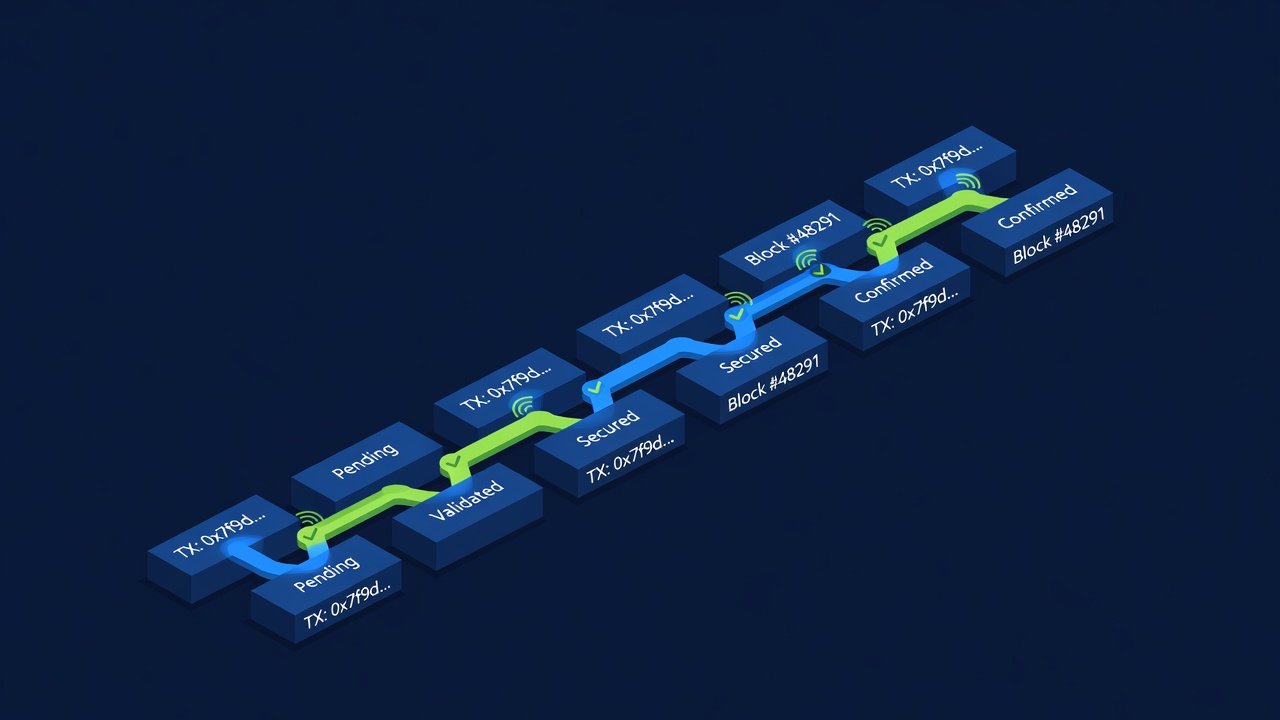
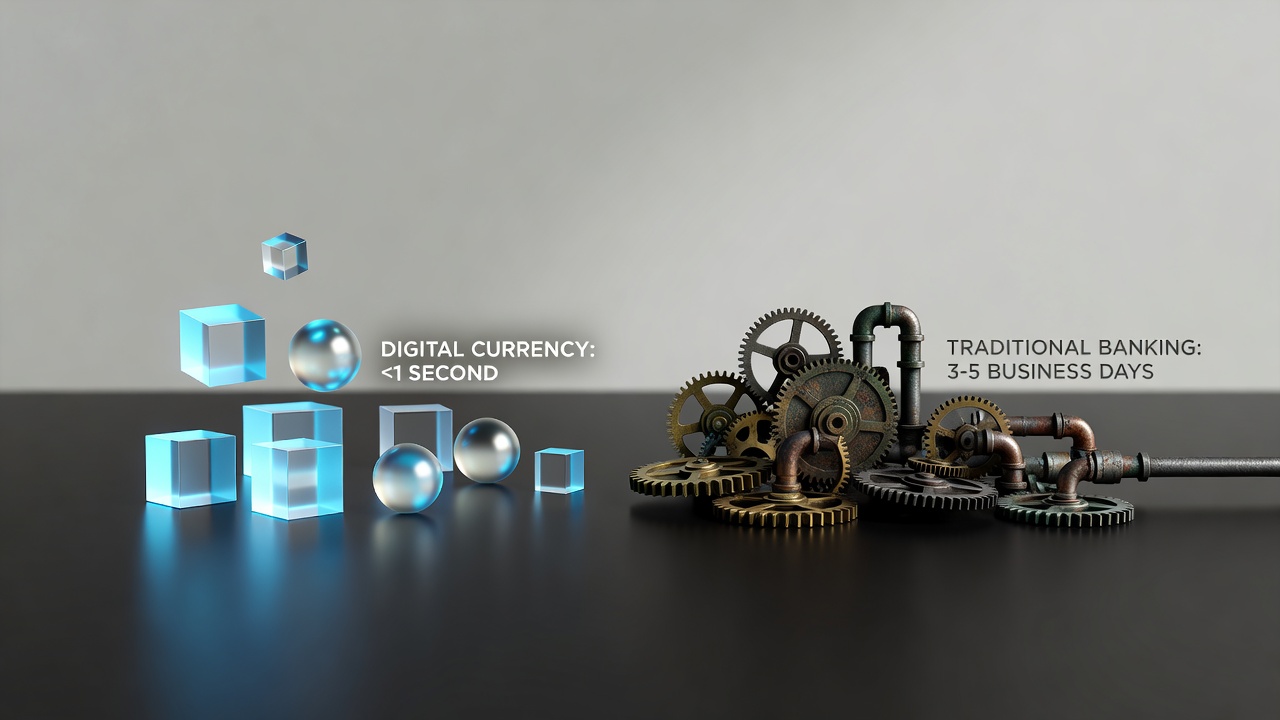
Litecoin was created in 2011 by Charlie Lee, a former Google employee, with one explicit goal: to be Bitcoin but faster. Bitcoin takes roughly ten minutes to confirm a transaction (a block is mined every ten minutes on average). Litecoin takes roughly two and a half minutes. Bitcoin fees are volatile and can spike to dollars per transaction. Litecoin fees stay under a penny per transaction even during congestion.
Why does this matter for casinos? Because a player who deposits Bitcoin at a casino might have their transaction pending for hours. A player who deposits Litecoin has confirmation in minutes. The speed difference is not trivial from a user experience perspective.
Litecoin casinos became popular approximately 2017-2018, right when Bitcoin was becoming unusable for everyday transactions due to fees and confirmation times. Ethereum was emerging as an alternative, but Ethereum had its own congestion issues (and still does, especially during network demand spikes). Litecoin filled the gap.
Round 1: The Adoption Pattern
Unlicensed crypto casinos adopted Litecoin earlier than licensed ones. The reason: licensing is an arms race of compliance, and Litecoin, being less well-known than Bitcoin, initially faced less regulatory scrutiny. By the time licensing became common in regulated jurisdictions (UK, Malta, New Jersey), Litecoin had already become embedded in crypto-casino infrastructure.
Licensed casinos (Stake, which operates in most jurisdictions except the US, for example) accept multiple cryptocurrencies: Bitcoin, Ethereum, Litecoin, Bitcoin Cash, Tron, Ripple. They accept Litecoin because players want it, because it is affordable to process, and because regulatory bodies do not distinguish between different cryptocurrencies in their compliance frameworks.
Round 2: The Technical Advantage
From a casino operator's perspective, accepting Litecoin has specific advantages. The blockchain is less congested than Bitcoin or Ethereum, so transactions confirm with higher certainty and lower fees. The network is mature (it has been running without major disruptions since 2011), so operators know it is stable. Litecoin holders are a specific demographic: people who wanted cryptocurrency exposure but did not want the complexity of newer tokens and did not want the volatility of Bitcoin.
From a player's perspective, Litecoin is faster than Bitcoin and more stable than Ethereum. For withdrawing small amounts (under $500), it is often the best option.
Round 3: The Limitation
Litecoin is nowhere near as liquid as Bitcoin. If you want to buy Litecoin, you have to go to a cryptocurrency exchange. Not all exchanges offer it (though all major ones do: Coinbase, Kraken, Binance). This creates friction. You have to convert fiat currency to cryptocurrency, which means fees, which means you are starting with a disadvantage before you even get to the casino.
For casual players or players in jurisdictions without easy cryptocurrency access, Litecoin is not practical. For players already holding Litecoin or players who specifically want to gamble in cryptocurrency without using Bitcoin, it is ideal.
Round 4: The Future
The long-term question is whether Litecoin remains relevant. Bitcoin has upgraded its layer-two infrastructure (the Lightning Network, which makes payments near-instant and nearly free). Ethereum has Polygon and other rollups that solve the congestion problem. Stablecoins (cryptocurrencies pegged to fiat value) have become mainstream. Litecoin's original advantage (faster and cheaper than Bitcoin) is no longer unique.
But Litecoin casinos continue to operate and to accept deposits in Litecoin, which suggests that the cryptocurrency has found a stable niche. It is not going away, but it is also not expanding. It is a legacy tool that continues to work because the infrastructure was built around it.