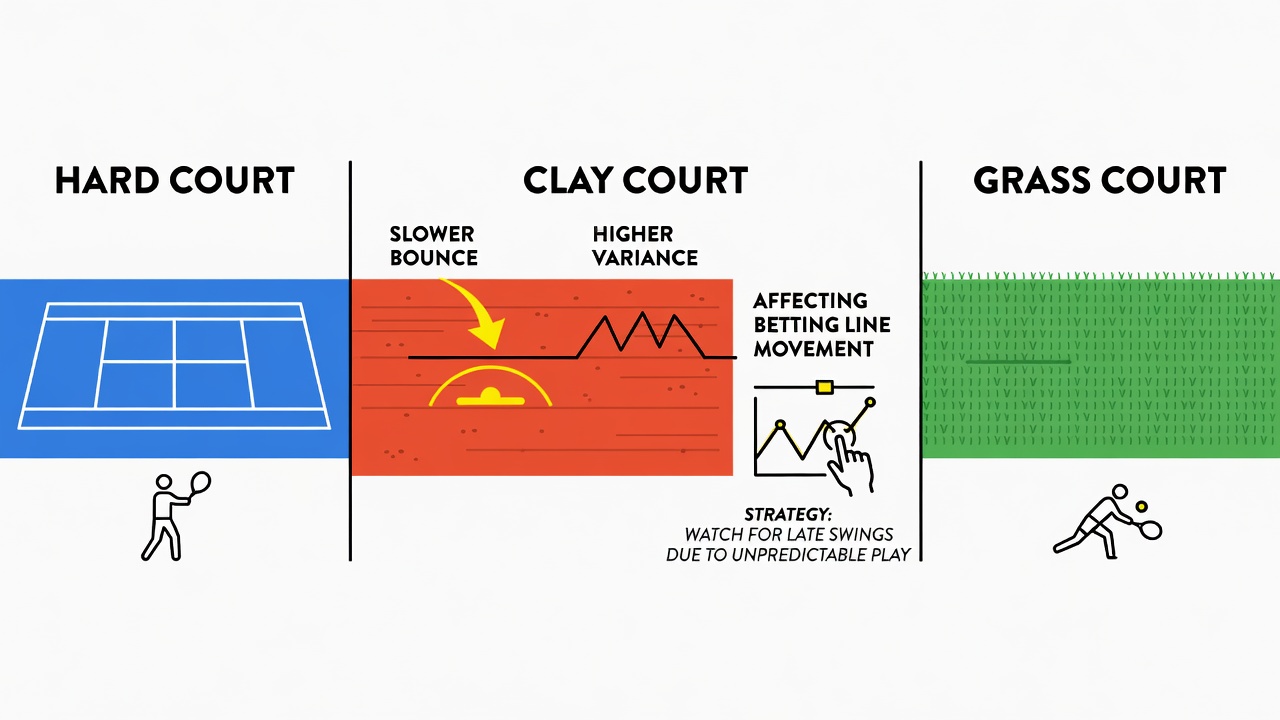
Grand Slam Tennis Betting: How to Find Value
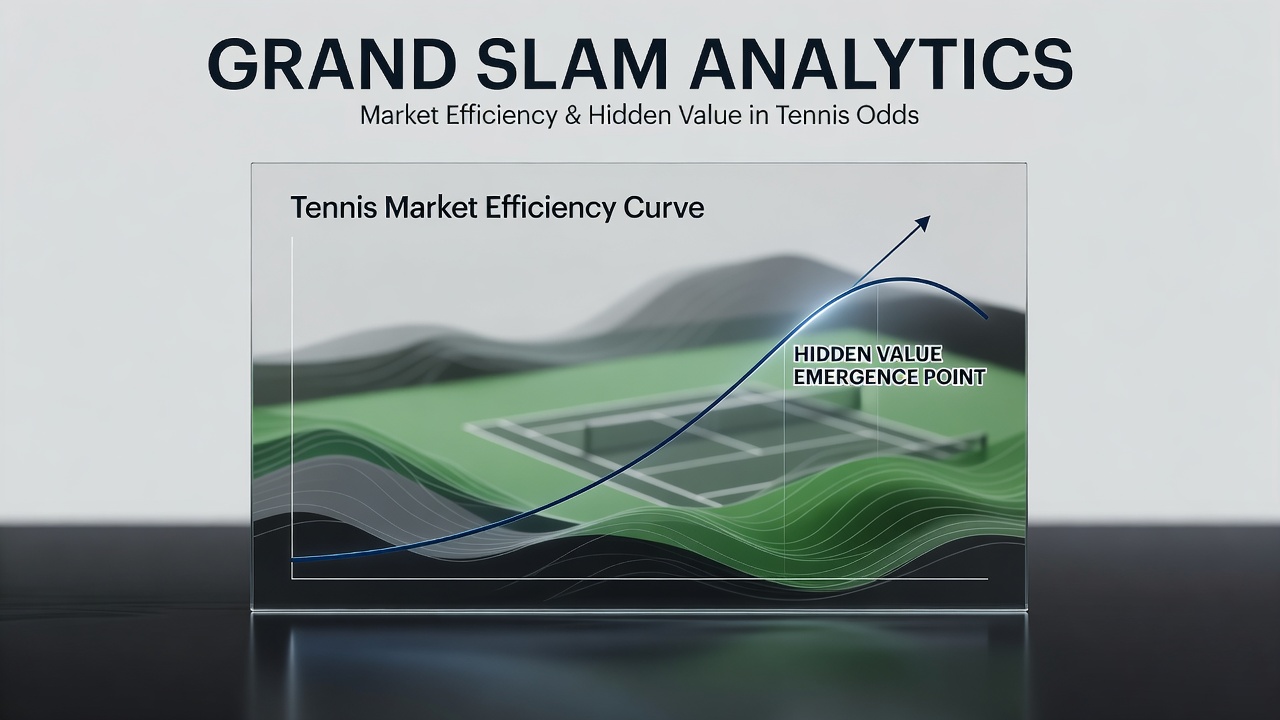
The tennis market is remarkably efficient, which means value at the majors emerges only when you know what others have overlooked.
The deal
The Grand Slam tournaments occupy a peculiar place in sports betting: they are watched by more casual observers than any professional tennis event, yet analysed by fewer serious bettors. This paradox creates occasional opportunities, though the window for finding genuine value has compressed considerably in the past decade.
When the Australian Open begins in January, the betting markets are flooded with money from casual punters who have watched approximately no tennis in the preceding three months. The same pattern repeats at Roland Garros, Wimbledon, and the US Open. This flow of unsophisticated capital does indeed distort prices in certain markets, but distinguishing noise from genuine mispricing requires discipline.
Round 1: The Seeding Bias Problem
The tennis establishment publishes seedings weeks in advance. The betting markets incorporate these seedings almost immediately. A player seeded number two arrives at a Grand Slam with odds that broadly reflect their ranking and recent form.
Where value occasionally emerges is in the gap between seeding (which measures historic strength) and current form. A top-ten player returning from injury, listed prominently in the seedings, may arrive at a tournament running on four weeks of competitive matches whilst his computer ranking suggests he ought to run on twelve weeks. The market prices him according to the latter. Observant bettors price him according to the former.
This is not a sure thing. Form can turn on a single week of practice. But the asymmetry exists.
Round 2: The Surface Anomaly
Wimbledon, in particular, generates persistent pricing inefficiency. The tournament is historic, tradition-laden, and broadly inaccessible to the general public, which means casual betting money underweights it. The professional sharp money, by contrast, recognises Wimbledon as a mavens' tournament.
Grass specialists command enormous value. A player who excels exclusively on grass, who plays nowhere else during the year, arrives at Wimbledon with odds that underestimate their true capacity. The market sees their year-round ranking and fails to disaggregate surface performance sufficiently.
A player seeded outside the top 100 globally, but who has won substantial grass-court events in the preceding months, will often be underpriced relative to their true probability of reaching the fourth round or beyond.
Round 3: Draw Dependency
The draw, published four days before the tournament begins, introduces a cascade of repricing. The markets adjust sharply when a volatile player lands in a favourable corner of the draw. Sharper money flows into the Scandinavian player now matched with three over-the-hill former winners in the first quarter of the draw.
The lag between draw release and market adjustment is brief. But in the first six hours, before the full contingent of professional wagering has concentrated, the occasional anomaly persists.
Watching the movement in the betting markets at the draw stage is itself information. If a previously listed player's odds lengthen substantially when the draw is released, ask why. Often the explanation is innocent (they now face the world number two in the second round), but occasionally the market is reacting to something genuine.
Round 4: Doubles and Mixed Doubles Inefficiency
The most underanalysed market at the Grand Slams is the doubles draw. The casual money flows almost exclusively to singles. Professional doubles bettors are fewer in number, which creates persistent pricing irregularities.
If you have accumulated knowledge of doubles partnerships, reputational hierarchies, and serving dynamics that differ markedly from singles, doubles offers genuine value. Most casino platforms and sportsbooks price doubles with visible margins of 5 to 7 percent, compared to 3 to 4 percent on singles.
Round 5: The Meta-Layer
The most sophisticated approach to Grand Slam betting is not forecasting individual matches. It is identifying where the market consensus has failed to adjust to new information. A player's injury status announced the morning of their first-round match. A coaching change announced between tournaments. A player's reaction to surface-specific training visible in earlier events.
The market struggles to integrate low-salience information quickly. It prices based on histories and rankings. It reprices based on tournament-draw release. It reprices based on individual match results. Between these moments, inefficiencies exist. Finding them requires constant monitoring rather than inspiration.
Value in Grand Slam betting is not abundant, but it is real. It requires patience, specificity, and a willingness to do the work that the casual bettor will not.