Evolution Gaming: How One Studio Defined Live Casino
A company in Sweden created studios where dealers worked in real time, serving players in a hundred countries simultaneously. They made live gambling global.
The deal
There was a time when live casino meant you had to go to the casino. You sat down. A real person dealt you cards. You played against real people or against the house.
Then a company named Evolution Gaming realized: what if the dealer was in a studio and the player was at home. What if we could broadcast the game in real time to thousands of players simultaneously?
They built the studios. They hired the dealers. They created the software. And they made live gambling accessible from anywhere.
Round 1: The Problem They Solved
Online casino games in the 1990s and 2000s used computer algorithms. Random number generators. No dealers. No cards being dealt in front of you.
Players distrusted this. They thought the algorithms could be biased. They wanted to see a real person dealing real cards.
But casinos did not want to hire thousands of dealers to serve thousands of online players. The economics did not work.
Evolution solved this by realizing: one dealer can serve multiple players. A single stream of cards can be shared. Each player is betting on the same game.
Round 2: The Technology
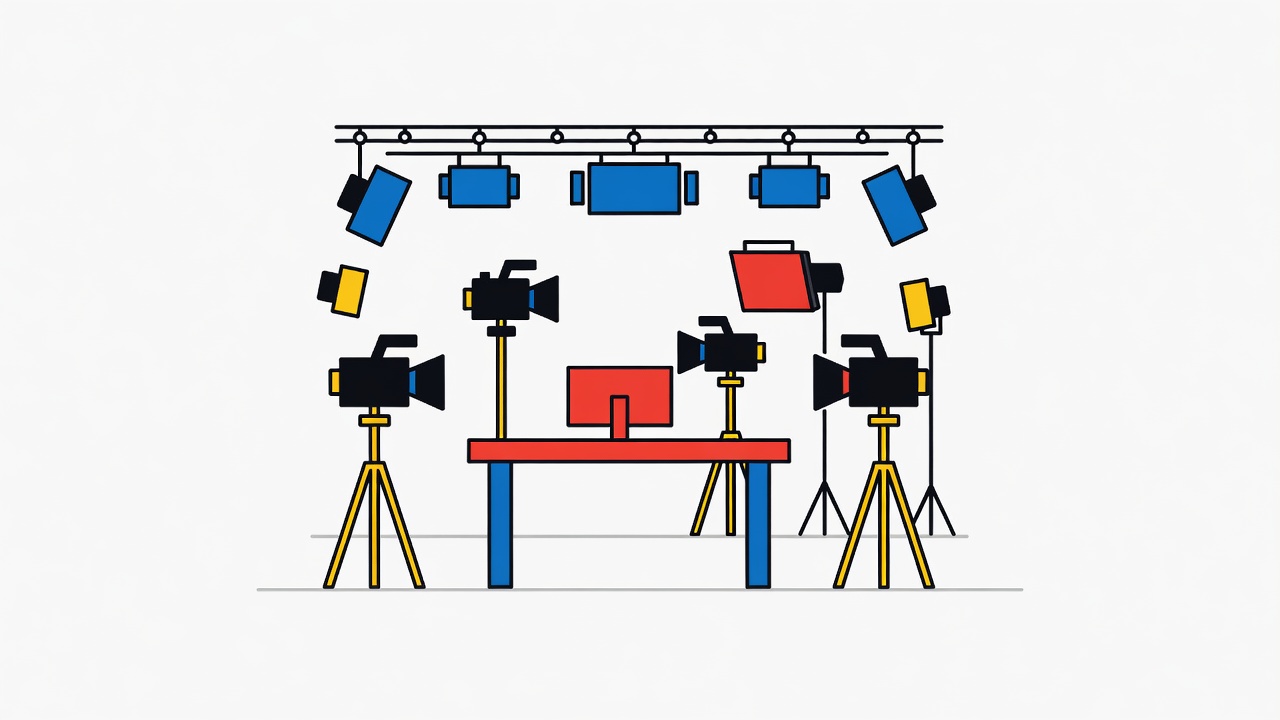
Evolution built studios with multiple camera angles. High-definition. The dealer was filmed from several angles. The cards were filmed close enough to be read by the player.
The video feed was compressed and transmitted over the internet to the player's computer. The delay was minimal (less than one second). The experience was comparable to playing in person.
The software tracked each player's bets, their results, their account balance. Everything happened in real time but served thousands of players from a single table.
Round 3: The Scale
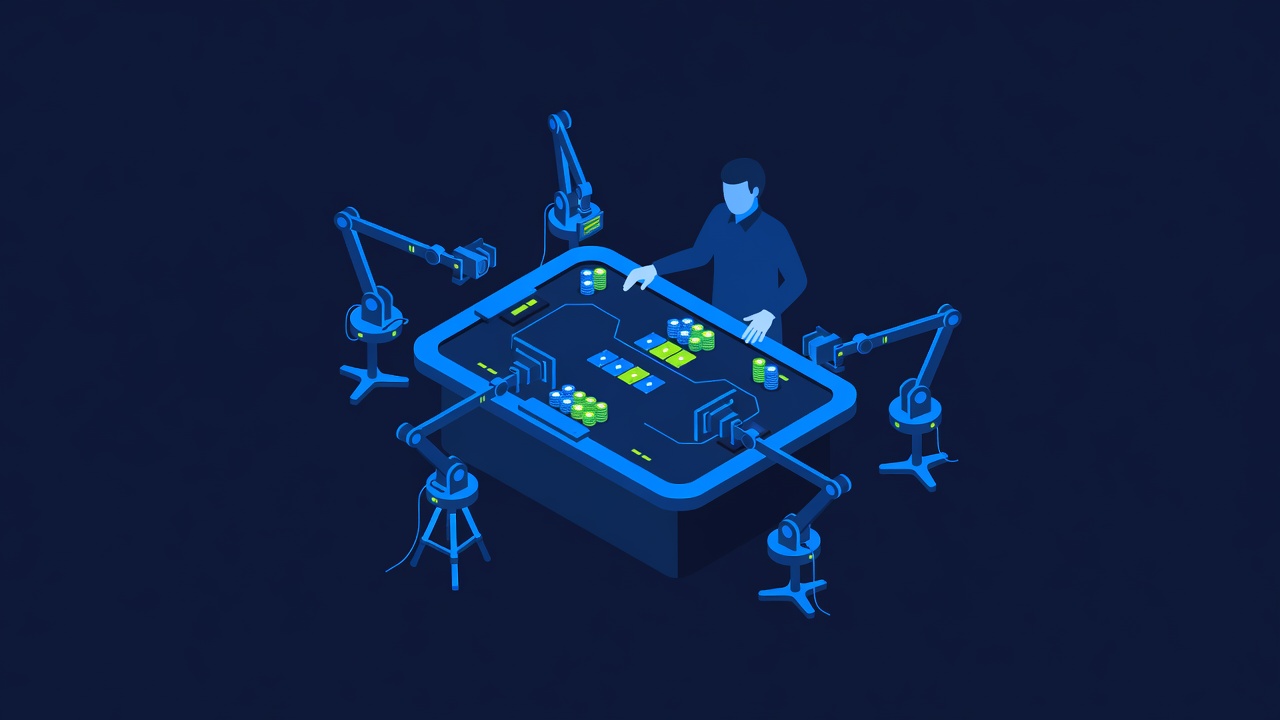
This is the revolutionary part. A single live blackjack table in an Evolution studio can serve 50-100 simultaneous players. Each player sees the same dealer, the same cards, the same results.
But each player is betting independently. Their bets go into an account. Their balance updates in real time.
The overhead is minimal. The dealer is paid once. The studio costs are split among thousands of daily players. The math works.
Round 4: The Expansion
Evolution started with blackjack. Then expanded to roulette. Then poker variants. Then game shows.
The library now includes dozens of games. Some are standard casino games (baccarat, craps). Some are proprietary (Monopoly Live, Lightning Roulette).
Each game uses the same delivery mechanism: a studio with a camera, a dealer, and a real-time broadcast.
Round 5: The Cultural Impact
What Evolution did was make live gambling accessible. A player in Australia could play live blackjack with a dealer in the Philippines. A player in Canada could play live roulette with a dealer in Malta.
This globalization changed gambling. It moved from a local activity (going to a casino) to a remote activity (playing from home).
The casinos adapted. Some went out of business (they could not compete with online). Some partnered with Evolution (they licensed the software).
Round 6: The Regulation Question
Evolution operates in a complex regulatory environment. They have licenses in Malta. They operate studios in the Philippines, Georgia, and Romania.
Different jurisdictions license their games differently. Some countries accept Evolution games. Some do not. The regulation is fragmented.
But Evolution has navigated this. They are now the dominant provider of live dealer games globally. Virtually every online casino uses Evolution software.
Round 7: The Philosophy
What Evolution understood is that people want authenticity. They want to see a real person dealing real cards. The technology is just the mechanism to deliver authenticity at scale.
A studio in Manila with one dealer can serve a thousand players. Each player feels like they are playing with a real person. The reality is that they are competing for the same table with 999 other players, but the illusion of exclusivity is maintained.
This is brilliant. Evolution scaled human interaction. They took something that could only happen in person and made it happen remotely.
The industry will never be the same.