Benny Binion: The Outlaw Casino Operator Who Changed Las Vegas
Benny Binion ran numbers for the mob, switched sides, and built the Horseshoe. He understood one thing that separates good casinos from bad ones: let the player win big enough to tell the story.
The deal
Benny Binion started as a numbers-running operation in Dallas in the 1930s. He paid the Dallas police their cut, which was how the system worked. In 1946, under pressure from a federal task force that was not as cooperative as local law enforcement, Binion moved to Las Vegas.
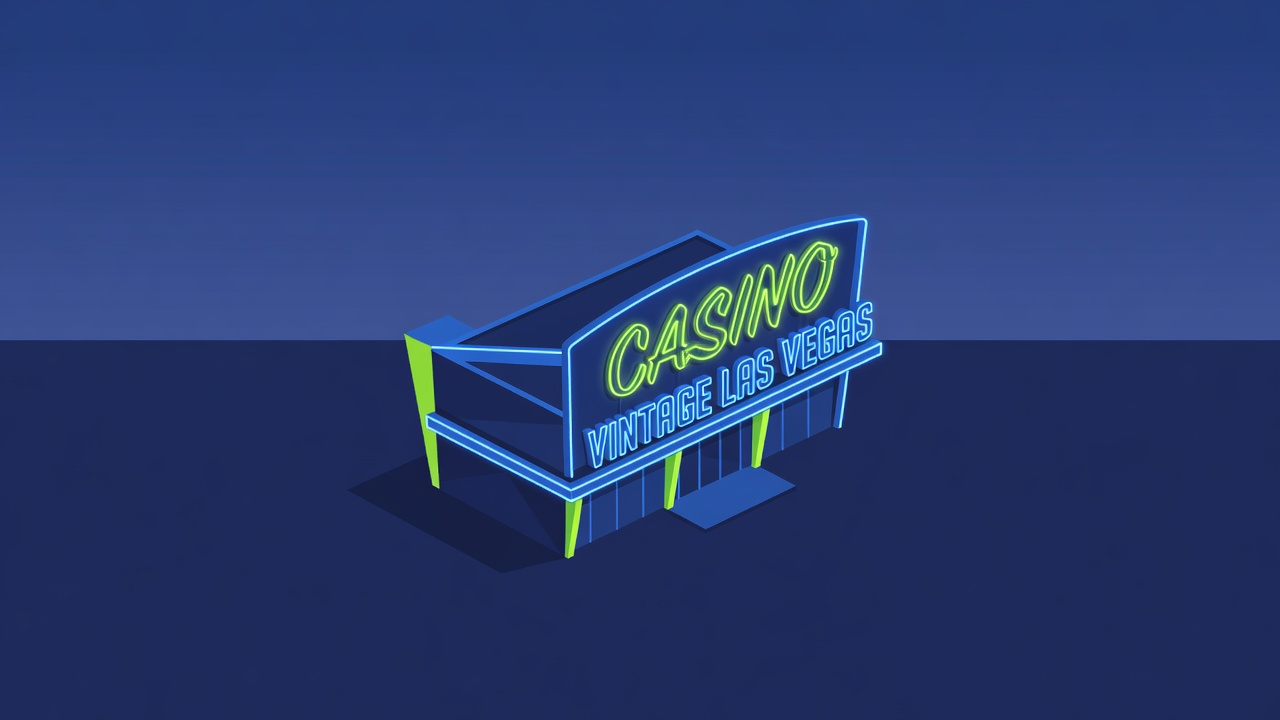
Las Vegas in 1946 was not yet Vegas. It was a small town with a handful of casinos. The ones that existed were run by the Mob from the East Coast. Binion, who had some Mob connections but was not directly controlled by them, saw opportunity. He built the Horseshoe Casino in 1951.
The Horseshoe was different. Most casinos at the time had low limits: you could not bet more than a few hundred dollars on a single hand. The assumption was that big bets meant potential fraud or mob involvement. Binion's innovation was simple: high limits. You want to bet five thousand dollars on a single hand of blackjack? Binion would take that bet. The assumption underlying this decision was that serious gamblers would come for the freedom to bet big, and they would tell their friends.
Round 1: How This Worked
The economics of high-limit play are counterintuitive. If you allow someone to bet $5,000 per hand instead of $500 per hand, are you increasing your advantage or decreasing it? The answer is: you are increasing variance. Over short terms, you will lose more money to lucky players. Over longer terms, the mathematics work the same way they always do: the house edge applies to larger numbers.
The strategic value of high limits is psychological and social. A player who wins $50,000 at your casino will tell the story for decades. They will bring their friends. They will come back hoping to replicate the win (they will not, because of variance, but that is their problem). The cost to the casino of that occasional $50,000 loss is offset by the dozens of players who show up chasing the idea that it is possible to win big here.
Binion understood this intuitively, without the language of behavioral economics. He was running a system that optimized for reputation.
Round 2: The WSOP
In 1970, Binion created the World Series of Poker. The first tournament had seven entrants. Binion paid for the house, the dealers, the food, everything. He did not make money on the event. But he created a narrative.
The narrative was: the Horseshoe is the place where serious poker happens. This was not because the Horseshoe was the best casino (it was not, necessarily). It was the best because Binion chose to make it the venue for the championship.
The strategic move was to subsidize something that cost money in the short term in order to create a brand association that would generate money in the long term. The Horseshoe became synonymous with poker because Binion owned the most prestigious poker tournament.
Round 3: The Larger Principle
Binion was a casino operator who understood that the building is not the casino. The games are. The atmosphere is. But most importantly, the stories are. People do not go to casinos because the house has a 2.7% edge on roulette. They go because their friend won thirty grand, or their uncle tells stories about the time he was up five figures, or they saw it on television.
Modern casino marketing tries to replicate this. The big winners are publicized. The casino sends email blasts about players who hit progressive jackpots. But these are artificial and transparent. Binion's approach was to make the casino itself the story.