Allen Iverson's Casino Bans: What the Reports Actually Say
Allen Iverson got banned from multiple casinos. Not for cheating. For losing too much money too fast. Here's what actually happened.
The deal
Allen Iverson was a generational basketball talent. Drafted first overall in 1996. Made $260 million in his NBA career. Also gambled away most of it.
The reports say he lost $19 million at casinos between 2000-2005. That's not counting what he lost at private games and sportsbooks.
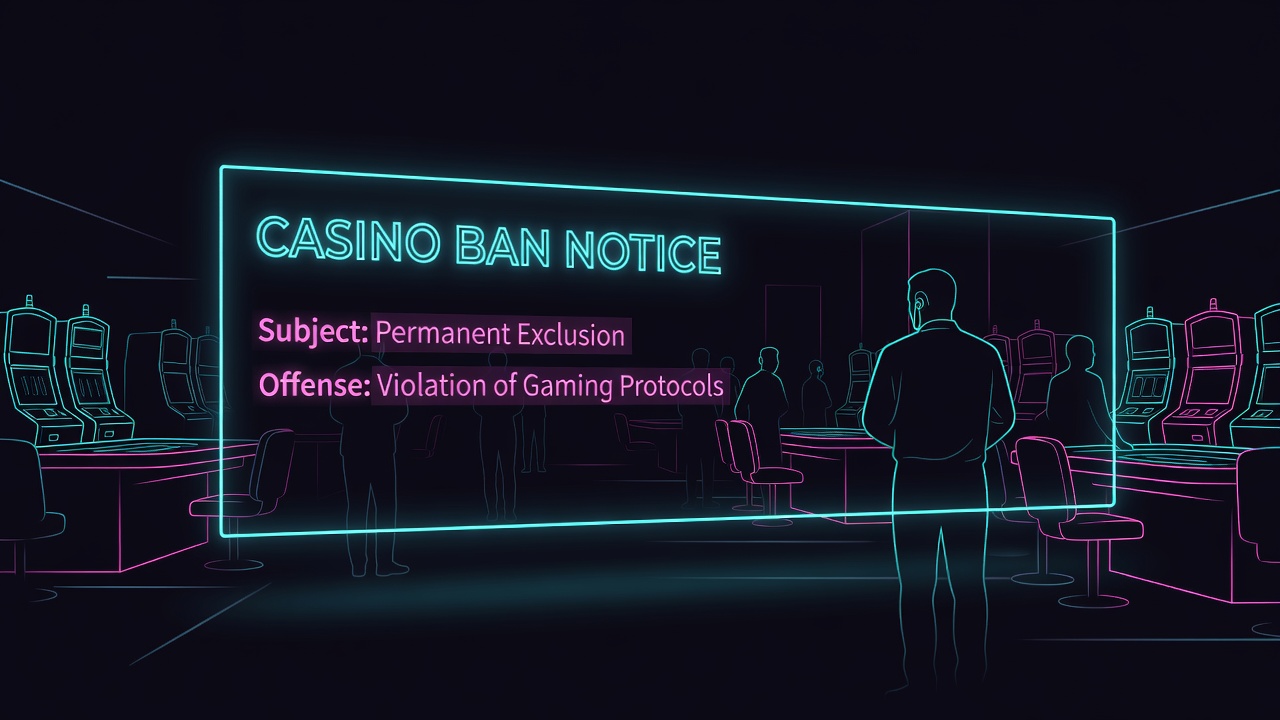
Multiple casinos banned him. But not because he was cheating. Because he was losing money at an unsustainable rate.
Round 1: The Specific Timeline
Iverson's gambling accelerated around 2000. He was making roughly $15 million per year in salary. By 2002, he was showing up at casinos with $100,000 in cash.
MGM Grand, Bellagio, Caesars Palace: all of them eventually told him not to come back. Not illegal. Not unusual. Casinos have the right to refuse service.
The stated reason in some reports was self-exclusion. Iverson allegedly asked to be banned because he couldn't control his gambling. This is actually the more charitable interpretation. It means Iverson recognized the problem and took action.
Bet365, DraftKings, Stake: all modern operators have self-exclusion programs. You can request a ban. It's a harm-reduction tool, not a punishment.
Round 2: The Economics of the Ban
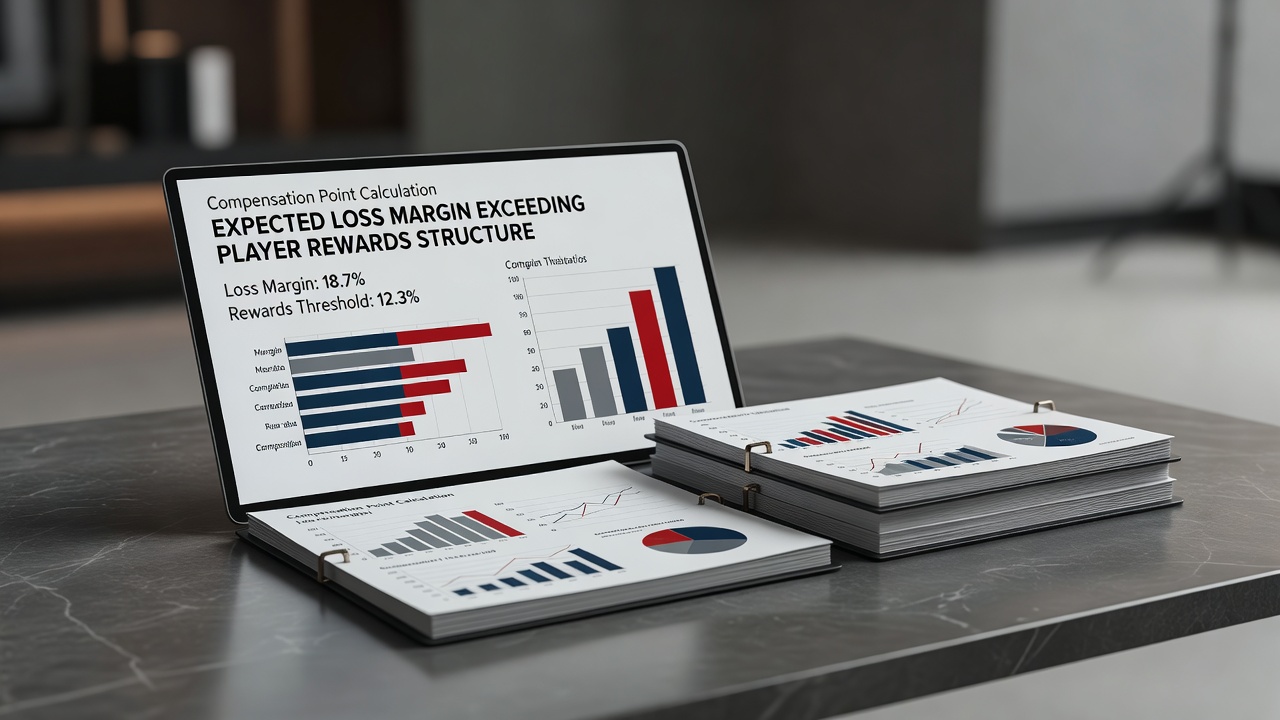
Here's the thing: casinos don't want to ban profitable customers. If Iverson was winning, they'd welcome him. They'd offer him comps and perks.
The fact that they banned him suggests he was losing so much so fast that even the casino's profit couldn't justify the optics.
NBA players are visible. A famous basketball player being seen at casinos constantly gets media attention. It gets regulatory attention. State gaming commissions notice when $19 million flows out of one player's bankroll in five years.
The ban protected both parties. Iverson got a forced cooling-off. The casinos didn't have to watch a famous player destroy himself on their floor.
Round 3: What the Numbers Actually Tell You
$19 million over 5 years is $3.8 million per year. Iverson was making $15 million per year in salary. So he was gambling away 25% of his gross income.
For context: the average American gambler loses 2-3% of their income. Iverson was losing 10 times more as a percentage of income.
He was playing every game with a 1-2% edge against him (on average). Over thousands of hours, that adds up.
Round 4: The Aftermath
Iverson's financial situation deteriorated severely. By 2012, he was requesting loans from former teammates. By 2019, he was filing for bankruptcy protection.
The gambling was part of it, but not the whole story. Bad financial advice, failed business ventures, and lifestyle inflation also contributed. But the gambling was significant.
Round 5: What This Reveals About Casino Policies
The casinos that banned Iverson made a decision: we don't want this player. Even though he was profitable, the risk (reputational, regulatory) outweighed the benefit.
Modern operators are getting better at this calculus. Stake and DraftKings have responsible gambling programs. Not because they're altruistic, but because regulatory pressure has made it economically sensible.
A player like Iverson today would be offered help through a responsible gambling framework. He might still lose a fortune, but the casino would document that it offered assistance.
The 2000s was different. Casinos weren't as sophisticated about harm reduction. They just said: don't come back.
Round 6: The Real Lesson
Allen Iverson made $260 million. He has maybe $1 million left. Gambling was a significant factor. Not the only factor, but significant.
The bans worked. They protected him from himself. But they came too late to save his wealth.
That's the actual story. Not cheating allegations. Not scandal. Just a brilliant athlete who couldn't stop gambling and lost almost everything because of it.
End of story
Scenes in this story